Kakopetria is a mountain village in the Solea Valley with a historic centre, river scenery and cultural destinations nearby. It is particularly suitable for a day combining traditional architecture and a peaceful walk. Explore the old village on foot and add no more than one other focus, such as the church of Agios Nikolaos tis Stegis. Some paths are paved and sloping; a mountain village is therefore not automatically an easy walk for every group. For an enjoyable visit, enough time on site matters more than the number of villages visited.
Why Kakopetria deserves a stay of its own
Kakopetria is more than a brief photo stop on a drive through the mountains. The contrast between the historic centre and waterways creates varied impressions in a small area. Begin with an overview of the village, then decide which areas you would like to explore at leisure. This avoids having your attention already fixed on the next announced stop.
The geographical context matters: the Solea Valley lies on a different side of the mountains from many destinations near the south coast. A short distance on the map does not automatically mean a quick mountain drive. Our overview of Troodos sights helps you plan a route by valleys and actual roads. If time is limited, Kakopetria itself should remain the focus of the day.
A walk through the old village centre
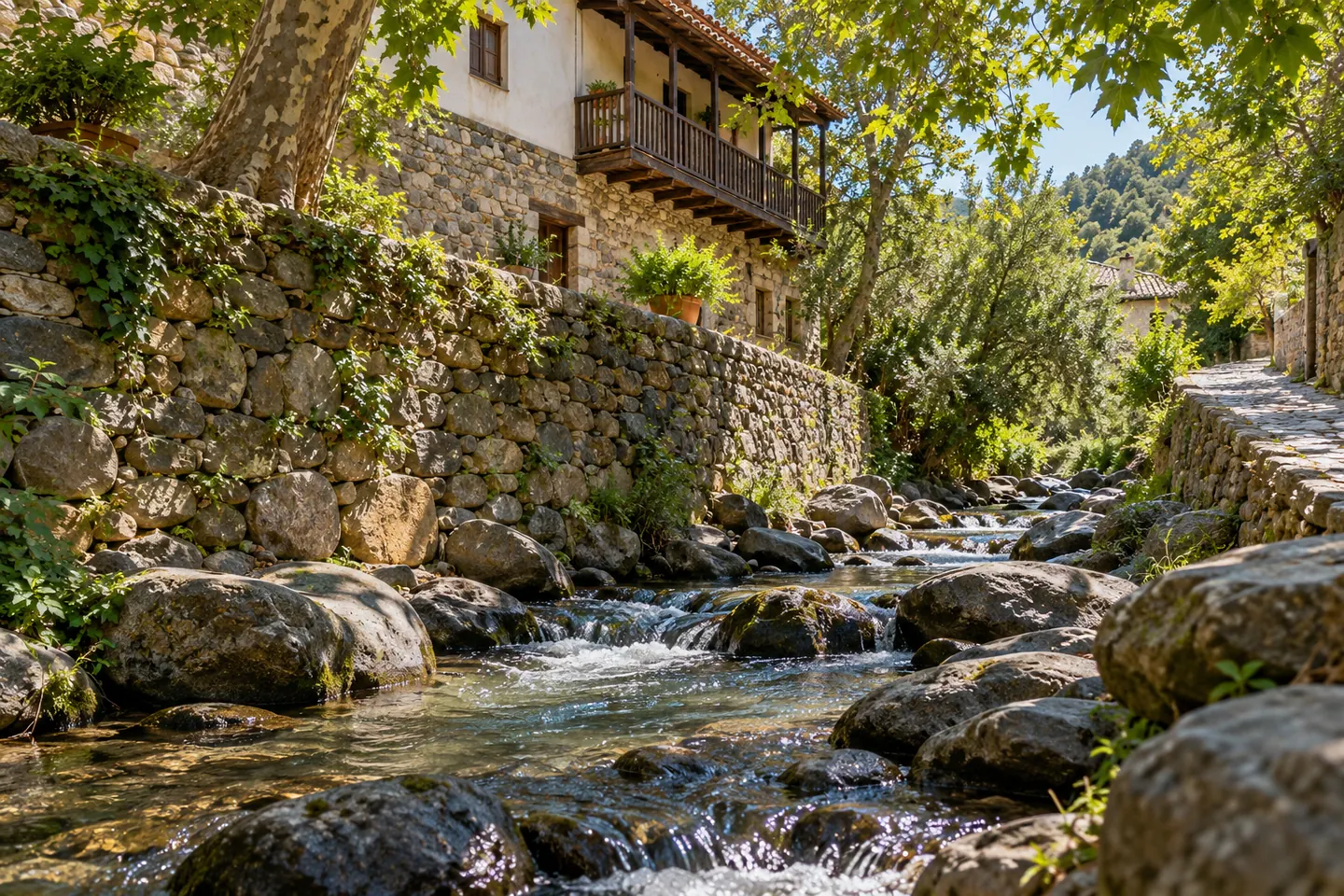
The historic area is characterised by narrow paved lanes and traditional houses with wooden balconies. As you walk, notice the relationship between stone, wood and the small open spaces between buildings. The architecture is best understood by walking slowly rather than seeking only the best-known photo angle. Some entrances and courtyards belong to occupied homes.
Respect private areas and ask before photographing residents or workspaces. Groups should avoid blocking narrow passages for long. Also agree an easily recognisable meeting point in case anyone needs a break. A short, observant walk can be more rewarding than passing through every lane. The Church of Metamorfosis tou Sotiros is a possible landmark, provided access is suitable on the day.
Exploring the river valley: consider the route and return beforehand
The river landscape is part of Kakopetria’s character. Water and vegetation can provide a pleasant contrast to the coastal resorts. However, do not assume there is a level, secured riverside path everywhere. Check the specific access point and path surface before starting a longer walk. Damp stones and leaves may be slippery.
For a group with different walking abilities, a short section with a shared return route is often best. Include the return journey and avoid spontaneous shortcuts across streambeds. In rain or with higher water levels, a village walk may be preferable. If planning a more active day, Hiking in Cyprus covers the key questions about route choice, equipment and current conditions.

Agios Nikolaos tis Stegis as a focused cultural addition
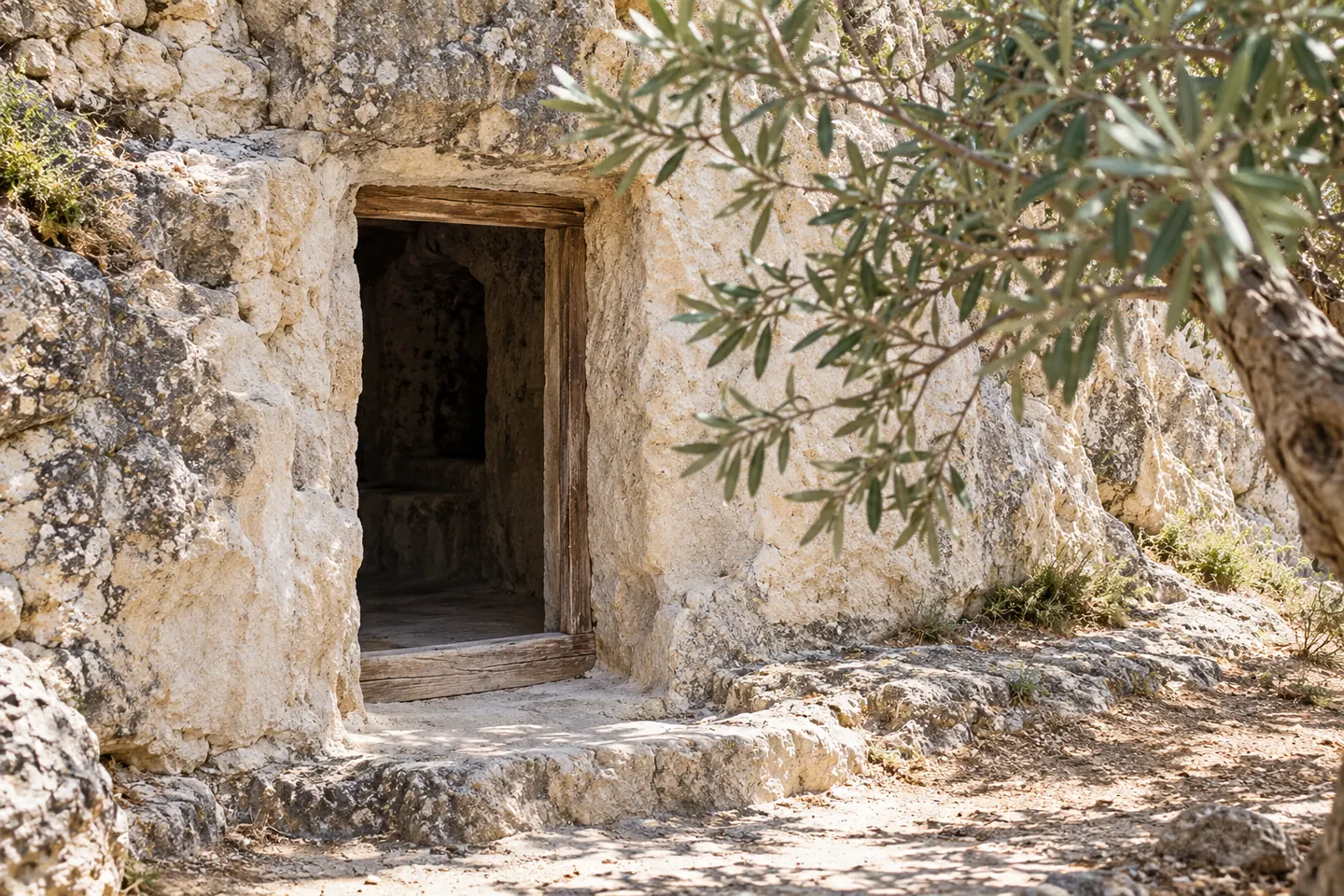
The Church of Agios Nikolaos tis Stegis is one of the painted churches of the Troodos Region on the UNESCO World Heritage List. It lies outside the actual village centre and should therefore be planned as a separate visit with travel time. The wall paintings are the main reason to allow time inside. Check current visiting arrangements and respect services and local photography rules.
For a better understanding, first examine a few motifs closely rather than quickly photographing every wall. An accompanying text or knowledgeable explanation can reveal connections. The guide to UNESCO World Heritage in Cyprus also explains why the designation applies to the selected churches, not automatically to every mountain village. This keeps your understanding of the site precise.
Choose museums, breaks and regional food
The tourism information lists, among other places, the Linos Museum, an olive-mill museum and a historic watermill. Such places can illustrate former economic life. If you have a specific interest, check current access before making them fixed points in your day. A listing in a travel guide does not guarantee daily visiting opportunities.
Afterwards, plan a longer break without the next departure already pressing. When choosing food, ask about seasonal dishes and portion sizes. Lunch can be part of getting to know the place without every product offered necessarily having a special local origin. For an introduction to different dishes, the overview of Cypriot cuisine provides clear guidance. If you want several visits, remove one focus rather than cutting the break altogether.
Season, footwear and mobility
In summer, many visitors seek a change from the coast in the mountains. This does not mean every walk stays cool. Bring water and take breaks, especially in sunny spots and on climbs. In cooler months, extra clothing and checking the weather are sensible. Rain can make paved lanes unpleasantly slippery.
For pushchairs, wheelchairs or limited walking ability, agree specific routes. The village’s suitability cannot be judged from a photograph of its square alone. Ask about drop-off points, slopes, steps and toilets. A shorter walk with an easily reached restaurant may be the right alternative. The advice for Cyprus in winter helps distinguish mountain outings from an ordinary coastal day.
Combine Kakopetria with a second village?
If you want another village, the journey there should have a clear purpose. Kalopanagiotis in the Marathasa Valley, for example, offers a different valley and monastery landscape. It is not, however, just a short additional walk around the next corner. Check the actual road connection and leave enough time for both places.
For a first visit, a day with Kakopetria, one church and a lunch break often feels more coherent than a succession of villages. Also consider the return to your accommodation. To avoid long drives, visit individual valleys on separate days during a multi-day mountain stay. This allows better adjustment to the weather and your stamina, and makes small discoveries between planned stops possible.
Frequently asked questions: Kakopetria
How long should you stay in Kakopetria?
Half a day is a good planning allowance for the old village, a short walk and a break. With a church outside the village and a longer journey, this becomes more of a full excursion day. Duration depends on walking ability and interests. More time is particularly useful if you specifically want to visit museums.
Is Kakopetria a UNESCO World Heritage Site?
The nearby Church of Agios Nikolaos tis Stegis belongs to the UNESCO site of the Painted Churches in Troodos. This does not mean the entire village is covered by that World Heritage listing. The historic village centre has its own cultural value. During your visit, distinguish village architecture from the designated religious site.
Is Kakopetria suitable for people with limited mobility?
This depends on the chosen paths. Paving, slopes and narrow lanes can be demanding. Clarify drop-off arrangements, short circuits and suitable places for breaks in advance. A stay involving limited walking may be possible, but should be individually arranged. General photographs of the village are insufficient for a reliable accessibility assessment.
Sources and further information
Editorial update: . Check opening hours, access and transport connections with the relevant authorities before visiting.