The main attractions in the Troodos Mountains are traditional mountain villages, painted churches, monasteries, forests and waterfalls. For a day trip, choose a geographically coherent focus from these. Omodos and Platres require different planning from Kakopetria or the more distant Kykkos Monastery. Trying to combine everything in one day can easily mean more time on winding roads than at the destinations themselves. This overview helps you combine culture, nature and food and wine to suit your starting point, season and preferred walking distance.
Which Troodos area suits your holiday day?
Start with your base and one main interest. If coming from the south coast to see wine villages, choose the southern mountain area. For forests and waterfalls, the surroundings of Platres are a natural focus. Kakopetria and the churches of the Solea Valley form another excursion direction. Kykkos requires its own assessment of outward and return travel.
Plot your planned stops on a map before deciding the route. Bends, village crossings and finding parking extend the day beyond a simple distance calculation. Two or three deliberate visits often offer more than six brief stops. If a longer hike is included, it should form the main programme and have sufficient daylight.
Omodos and other villages: time for daily life and crafts
Omodos is a well-known wine village with a central square, traditional stone houses and the Monastery of the Holy Cross. Look into smaller lanes too and allow a longer stay rather than a mere photo stop. A café visit or a pre-arranged wine tasting can complement the walk. Our Omodos travel guide explains the choices in more detail.
A second village is a good addition only if it lies on a sensible route. Ask what different experience you want there: architecture, a museum, workshop or lunch. This avoids several similar village walks under time pressure. Contact workshops and small museums in advance for a specific interest; a demonstration is not automatically possible whenever you arrive.
Painted churches: modest buildings with exceptional art
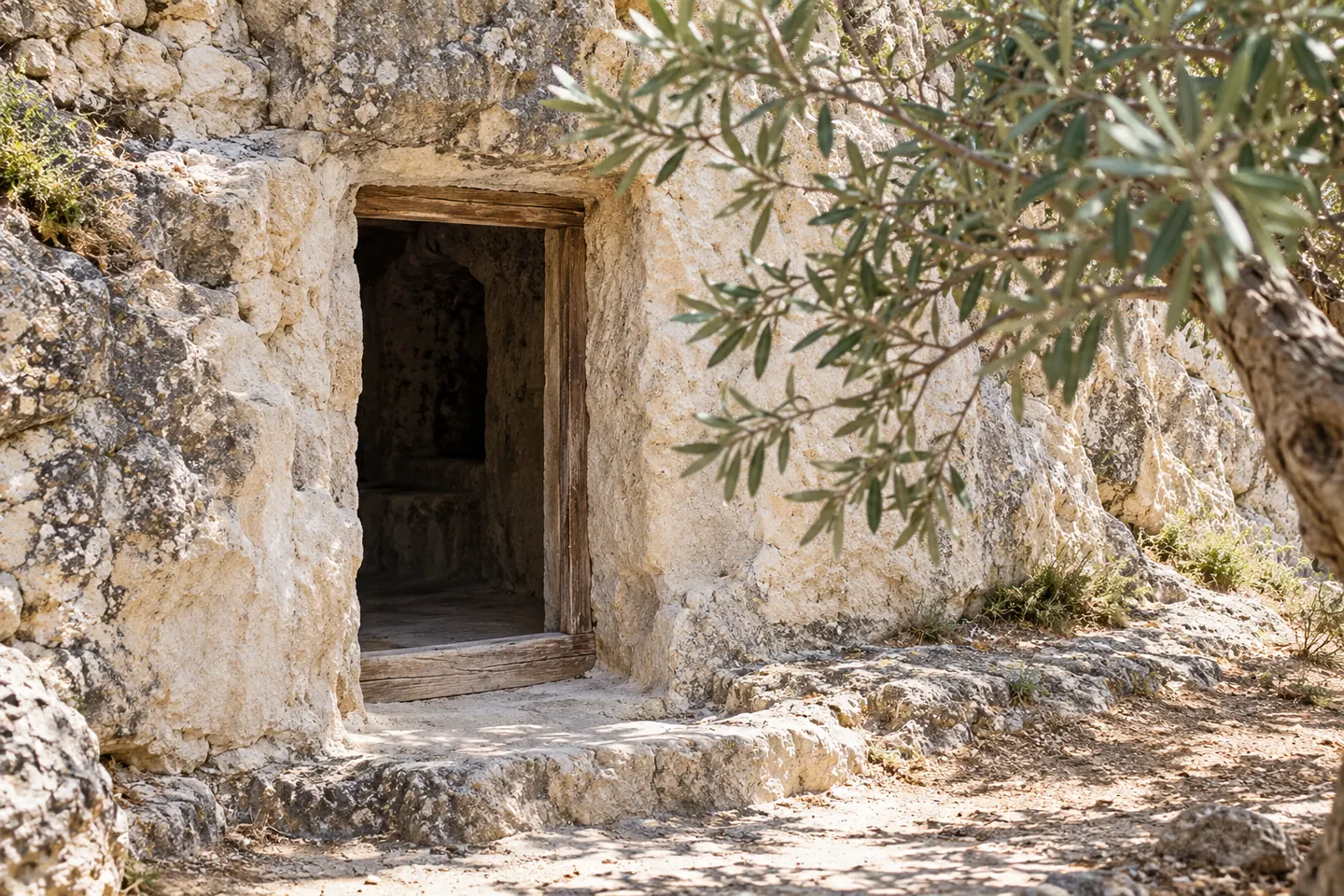
The UNESCO World Heritage painted churches of the Troodos region comprise ten monuments. Their particular value includes Byzantine and post-Byzantine wall paintings. Some look simple from outside; their interiors explain their cultural significance. Agios Nikolaos tis Stegis near Kakopetria is a well-known example of this church tradition.
For a first visit, prefer one reachable church with confirmed access over a long list. Small churches are not necessarily open all day. Ask for current visiting hours and respect photography bans or restrictions. A quiet visit with an overview of subjects and building history offers more than a quick unexplained circuit. Appropriate clothing and consideration for worshippers are equally important.

Kykkos: a monastery as a focus of its own
Kykkos Monastery is an important religious site in the mountains. It particularly suits visitors interested in Orthodox tradition and ecclesiastical art. Since the journey goes through mountain scenery, Kykkos should not simply be added as a minor detour to every Troodos route. First assess how much time remains after travel for the church, courtyards and possibly the museum.
Its present appearance reflects several building and rebuilding phases; the complex does not survive entirely from its foundation period. A museum visit can provide further background. For choosing stops, clothing and paths, see the Kykkos visiting guide. If a short village walk is your main aim, a closer route is often more suitable.
Assess Platres, waterfalls and forest trails realistically
Around Platres are well-known nature sights such as the Kalidonia and Millomeris waterfalls. A waterfall visit does not automatically mean a level stroll straight from the car park. Access routes vary, and short distances may be rocky, steep or slippery. Clarify the exact path before suggesting it to your group as an easy activity.
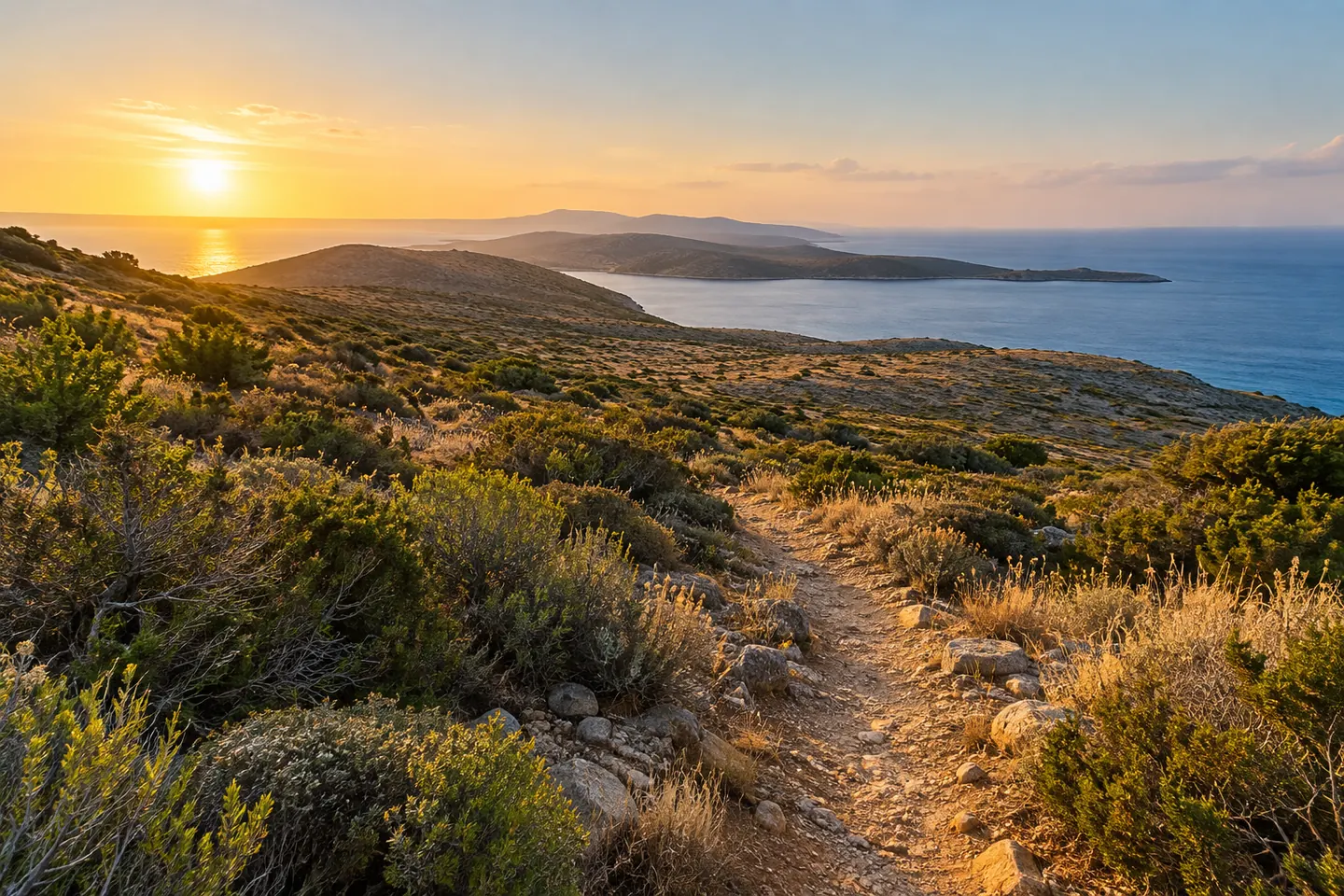
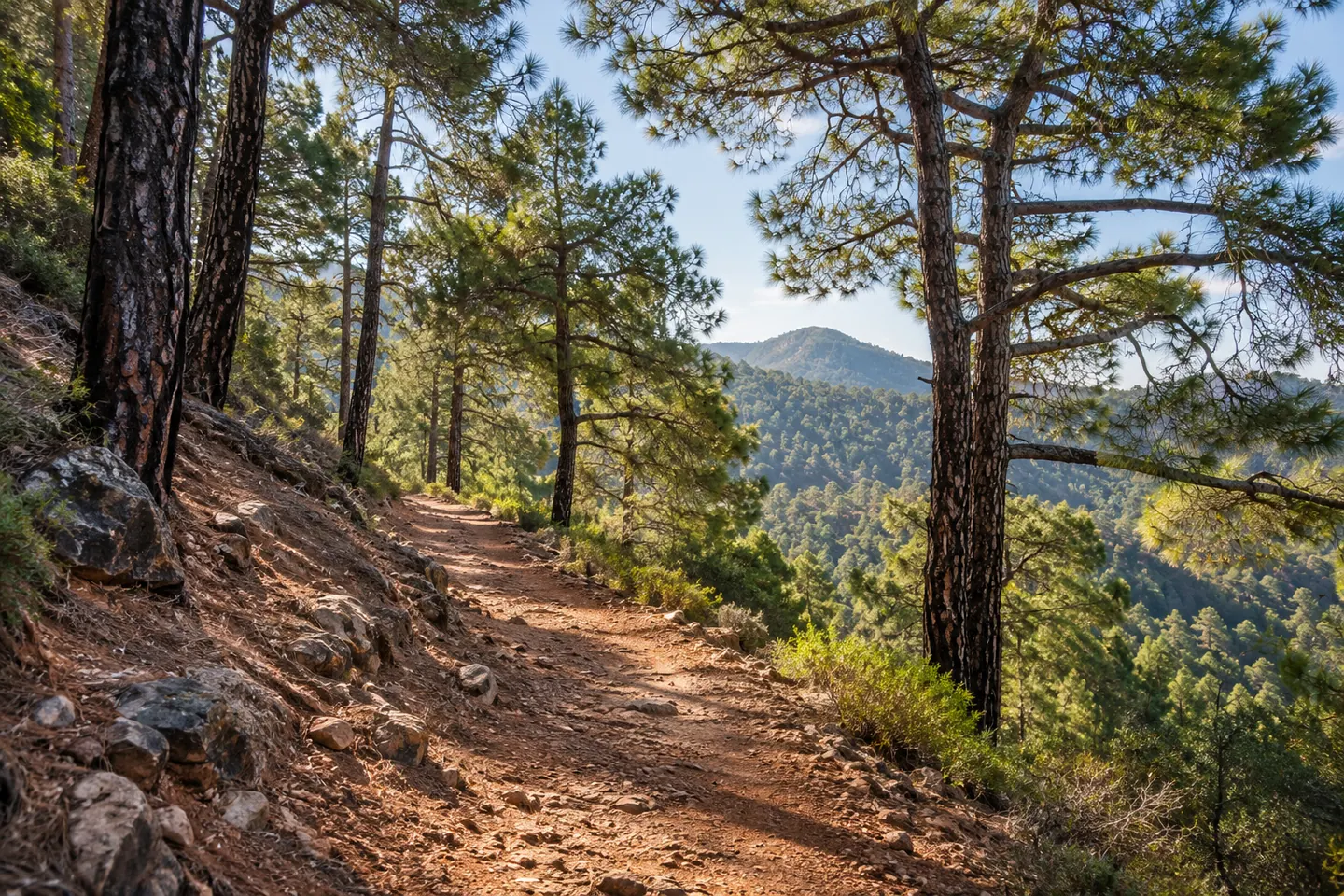
Other routes suit longer forest hikes, including the Artemis circular trail at higher elevations. The Cyprus hiking guide categorises them by character and effort. Bring enough water even if the path follows a stream. Stream water is not a reliable drinking-water supply. After rain, with a thunderstorm risk or in winter, the nature programme may need to change.
Geology, seasons and mountain weather
The Troodos UNESCO Global Geopark explains the region's geological history. It is different from the World Heritage site of the painted churches. If rocks and landscape formation interest you, include the geopark's information offerings or a suitable nature trail. A demanding summit hike is not essential for this.
Higher elevations may have very different conditions from your coastal hotel. Bring extra clothing and check the forecast for your actual destination. Sun protection and drinking breaks matter in the mountains even in summer. In winter, snow or ice can affect roads and paths. A sunny beach morning does not reliably indicate whether a mountain road will be passable in the afternoon.
How to create a coherent day route
Start with one must-see destination and add at most two suitable stops. For a food-and-wine day, this could be a village, lunch and an agreed tasting. A nature day might combine one selected trail with time in a village afterwards. A cultural day centres on a church or monastery and time for explanations.
- Check your starting point and actual driving route.
- Arrange visits with restricted access first.
- Choose hiking length according to fitness and weather.
- Allow lunch and enough spare time for the return.
- Drop an optional stop decisively if time is short.
A shared focus helps groups with different interests. Not everyone has to join a wine tasting or complete a long hike for the excursion to work well for all.
Frequently asked questions: Troodos attractions
Which Troodos sights combine well in one day?
Choose destinations in the same mountain area, such as a wine village with an arranged tasting or Platres with a suitable nature trail. Kykkos, Kakopetria and southern wine villages should not automatically be packed into one route. Starting point, distance, opening hours and desired visiting time are decisive. A main focus makes choosing easier.
Can you visit Troodos in winter?
Excursions are generally possible, but the exact route must follow weather and road conditions. Snow and ice can occur at higher elevations. Check current reports and choose lower villages if needed. Clothing and vehicle equipment must suit the actual destination, not only the coastal weather.
Is a Troodos excursion worthwhile without hiking?
Yes. Villages, monasteries, churches, crafts and wine traditions can be explored without a longer hike. Short walks, steps and uneven paving may still occur. Describe limited mobility specifically during planning so suitable stopping points and realistic paths can be chosen. A long walk is not required for this.
Sources and further information
Editorial update: . Check opening hours, access and transport connections with the relevant authorities before visiting.