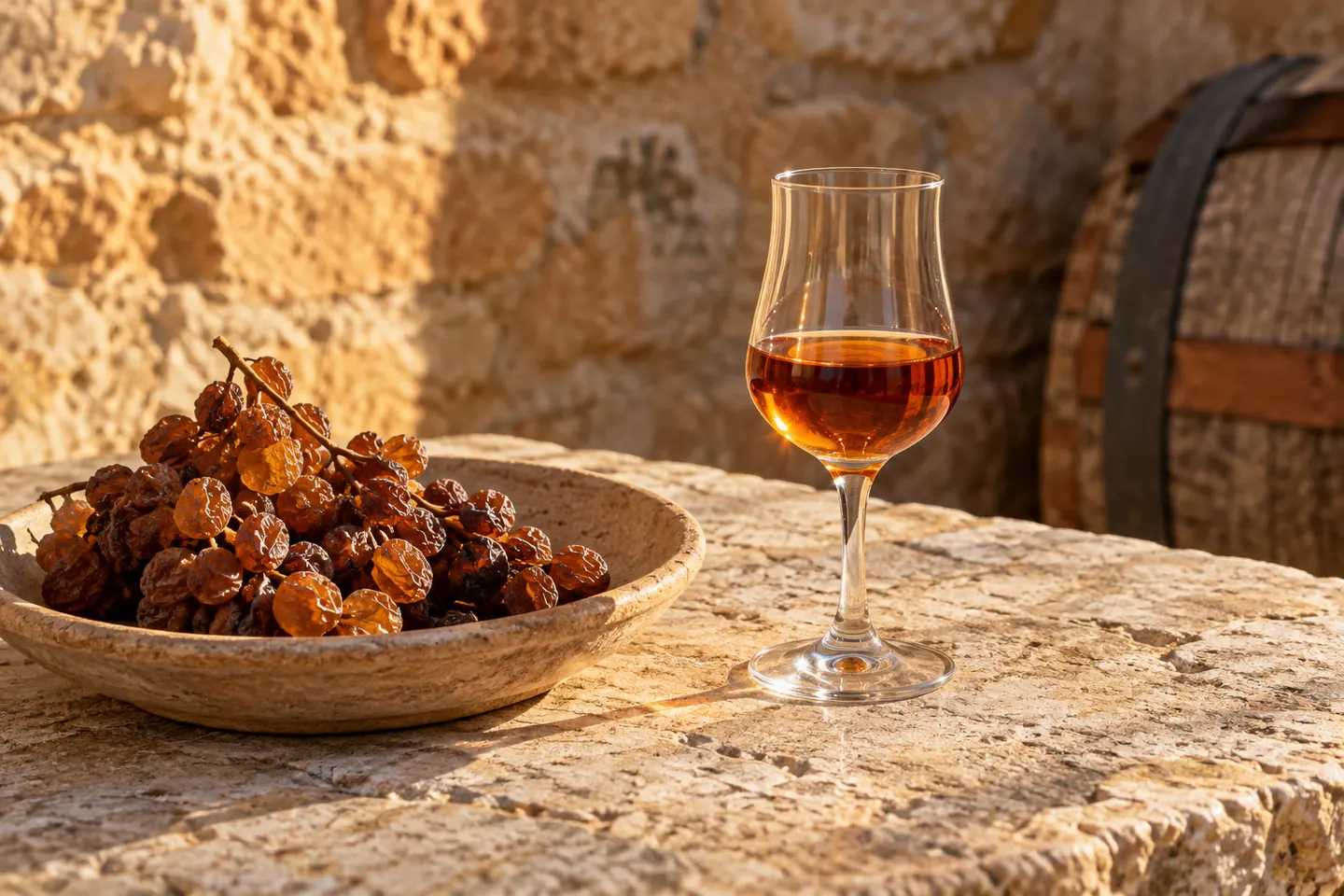
Commandaria is a traditional sweet wine from Cyprus, rooted in the villages of southern Troodos. It is made from the indigenous Xynisteri and Mavro varieties; sun-drying the grapes concentrates their components. To understand Commandaria, combine a small, carefully selected tasting with a visit to its region of origin. One or two suitable stops are usually more useful than a long list of wineries. Confirm the appointment, the actual tasting included and your return journey before the excursion.
What distinguishes Commandaria from an ordinary table wine
Commandaria is enjoyed as a sweet or dessert wine and should therefore be tasted in small quantities. Do not expect the same impression as a dry white wine with lunch. Even a small glass can provide enough material for an attentive tasting.
Start by asking what you actually notice: how intense is the aroma, how does the sweetness combine with other impressions, and how long does the flavour linger? Terms such as dried fruit, nuts or spices can help describe it, but they are not required answers. Different bottlings may give different impressions. Ask the producer about the grape varieties, production and maturation of the particular bottle being served, instead of applying general claims about Commandaria to every product without question. Your own understandable impression matters more than vocabulary that sounds as professional as possible.
Understand origin and history without superlatives
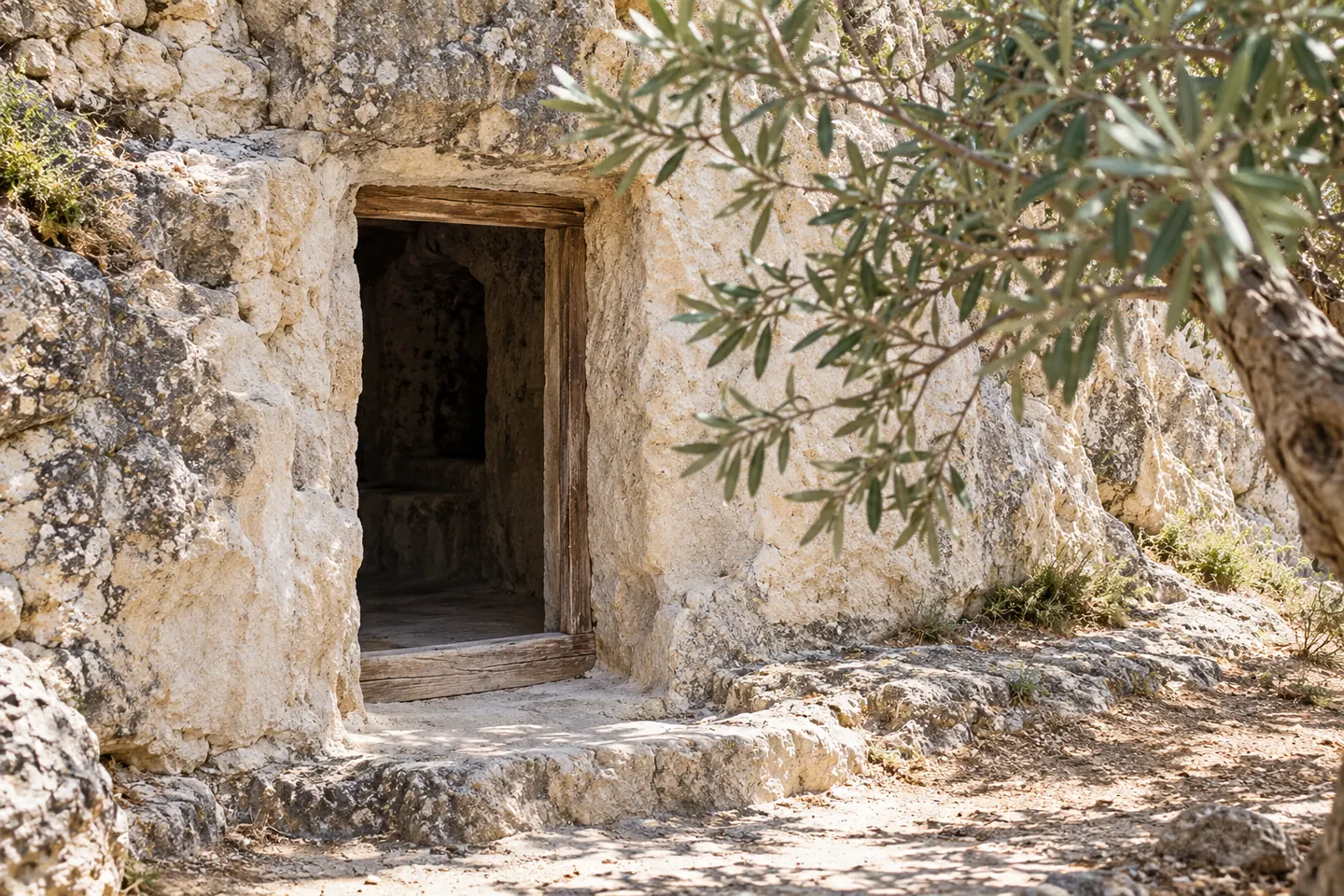
The name is historically associated with the Grand Commandery of the knightly orders. Kolossi Castle west of Limassol provides a tangible point of reference. Official tourism information describes Commandaria as a wine known for centuries. A rewarding visit need not turn this into a competition over the world's very oldest wine.
More interesting is the connection between landscape and work: where do the grapes grow, how are they processed and what role does the product play for today's businesses? A historic castle, village museum and current producer each answer different questions. Choose a combination that makes these differences visible. Visiting a historic site does not include a tasting, and wine sales do not automatically provide a guided insight into production.
How to make a tasting informative
Agree in advance whether you want to taste only Commandaria or other wines too. Ask about the approximate duration and whether explanations are offered in a language you understand. For beginners, a small selection that clearly shows differences is enough. More samples do not automatically mean more understanding.
Drink water between samples and note the name of the bottling you like. A photograph of the label is more helpful later than remembering the shape of the bottle. When several people taste together, not everyone has to try or buy everything. Advice on organising a wine tasting in Cyprus helps with planning. Drivers should avoid alcohol; arrange the return journey in advance rather than deciding after the last glass.
Villages and landscape as part of the excursion
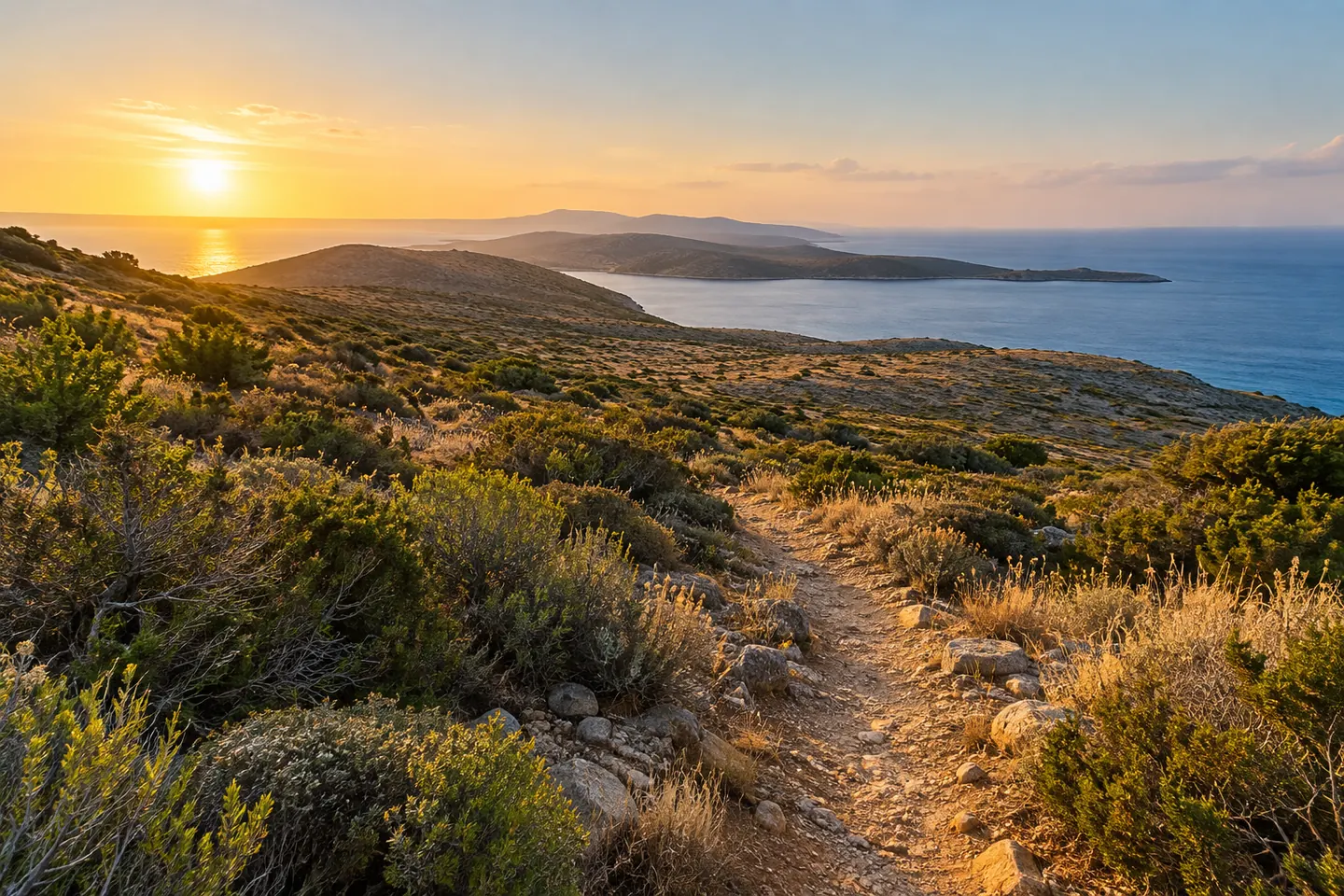
The Commandaria region can also be experienced without an extensive tasting. Places such as Silikou, Monagri and Laneia offer starting points for exploring village life and the regional wine tradition. Limassol's tourism information describes museums and traditional village settings, among other things. Check individual opening arrangements and visiting options before firmly planning a particular activity.
A small radius makes sense for a personal day trip. Combine a confirmed appointment with a village walk and a meal break. If you also want to head farther into the mountains, the overview of Troodos attractions helps put distances into perspective. A higher-altitude monastery or a long hiking trail is not a casual addition to a wine tour. Leave room for conversation and spontaneous short breaks without entering private property.

Commandaria with food and as a gift
For a first introduction, it can help to taste the wine without food first and then with a small suitable dish. Ask your host for a pairing with the specific bottling offered. This lets you discover how sweetness and other aromas interact, rather than treating a general recommendation as a fixed rule.
If you want to take a bottle home, ask the producer directly about the closure, storage and recommendations after opening. Note the details or photograph the label. Choose a size that suits your actual needs at home. The guide to thoughtful souvenirs from Cyprus helps with provenance and transport planning. A bottle with a traceable story can make a lovely gift; other regional products are more suitable for recipients who do not drink alcohol.
A well-planned day from the coast
Fix the confirmed visit time first and build the rest of the route around it. One option is a short village walk in the morning, followed by the tasting and then a leisurely meal. Another starts with a historic visit and places the producer visit later. Actual opening hours and driving routes are what matter.
Do not calculate mountain roads as if they were motorway stretches. Breaks, finding parking and short walks are part of the day's duration. When travelling with children or non-drinking companions, give equal weight to their interests. A long stay in a salesroom does not interest every group. Choose a business whose schedule and duration are clear in advance, and add an activity everyone enjoys. A good excursion comes from suitable priorities, not the number of cellars visited.
Questions to ask before setting off
A brief check in advance prevents the most common misunderstandings. Ask whether a reservation is needed, which wines are planned, how much time to allow and whether the offer suits your group size. If you are interested in production, expressly ask for an insight into it; a tasting alone does not automatically include all areas of the business.
- Which Commandaria bottlings will actually be served?
- Does the visit include an explanation of the production process?
- Is there a suitable option for non-drinking companions?
- How will the return journey, breaks and other stops be organised?
These questions also help with personalised tour planning. You do not need specialist knowledge, but you should be able to say whether you want to explore taste, history or the landscape. This turns a general interest in wine into a specific, manageable excursion.
Frequently asked questions: Commandaria wine
Is Commandaria a dry wine?
Commandaria is a traditional sweet wine. Small quantities make sense for a first tasting so you can explore the flavour attentively. Individual bottlings differ, so asking about the specific product is worthwhile. Do not expect the same taste experience as a dry table wine you normally drink with food.
Do you have to visit all the Commandaria villages?
No. The regional route is a guide, not a day programme that must be completed in full. A confirmed producer appointment, one village and a good break often suffice for an informative excursion. Choose according to your interests and allow for the drive from your accommodation and the return journey.
Can you experience the wine region without a tasting?
Yes. Village walks, scenery, historic sites and any open museums can be interesting independently of alcohol consumption. Before visiting a producer, clarify whether a suitable option without a tasting is possible. A mixed group should plan the day so that non-drinkers also have points of interest of their own.
Sources and further information
Editorial update: . Check opening hours, access and transport connections with the relevant authorities before visiting.