Good souvenirs from Cyprus combine traceable origins with a use that suits you or the recipient. Traditional crafts, finely ground coffee, regional specialities and wine from a producer you actually visited are particularly interesting. Ask about production and materials rather than choosing only by the picture on the packaging. Set aside a small, focused period of holiday time for shopping. Considering transport, recipient and budget beforehand makes it likelier you will bring home something appreciated for years rather than several random purchases made in a rush.
First decide: gift, useful object or keepsake?
Before shopping, consider the souvenir’s purpose. A small vessel used daily needs different qualities from a wall decoration. A food gift should suit the recipient’s preferences and dietary needs. Someone who does not drink alcohol or avoids certain ingredients will appreciate a thoughtfully chosen alternative more.
Set an approximate budget and maximum size. These simple limits ease the choice and prevent fragile or heavy objects becoming a problem on departure day. A small note about the place visited makes a simple gift more personal. You need neither invent a romantic story nor call the product unique. A clear connection between your trip, the maker and your own choice is enough to distinguish it from a random purchase.
Lefkara: embroidery and silver with known origins
Lefkara is known for Lefkaritika and delicate silverwork. The tradition of Lefkara embroidery was added to UNESCO’s intangible cultural heritage list in 2009. This recognition concerns the craft tradition; it is not an automatic authenticity seal for every textile or shop in the village.
Ask where and by whom a piece was made. Have its material, technique and care explained, and inspect the workmanship at leisure. For jewellery, material details and a purchase receipt are useful. Do not buy simply because you feel advice obliges you to conclude a sale. Handcrafted pieces take time and may reasonably cost differently from industrial goods. Conversely, a high price alone proves neither a particular origin nor quality.
Pottery, textiles and the right piece for home
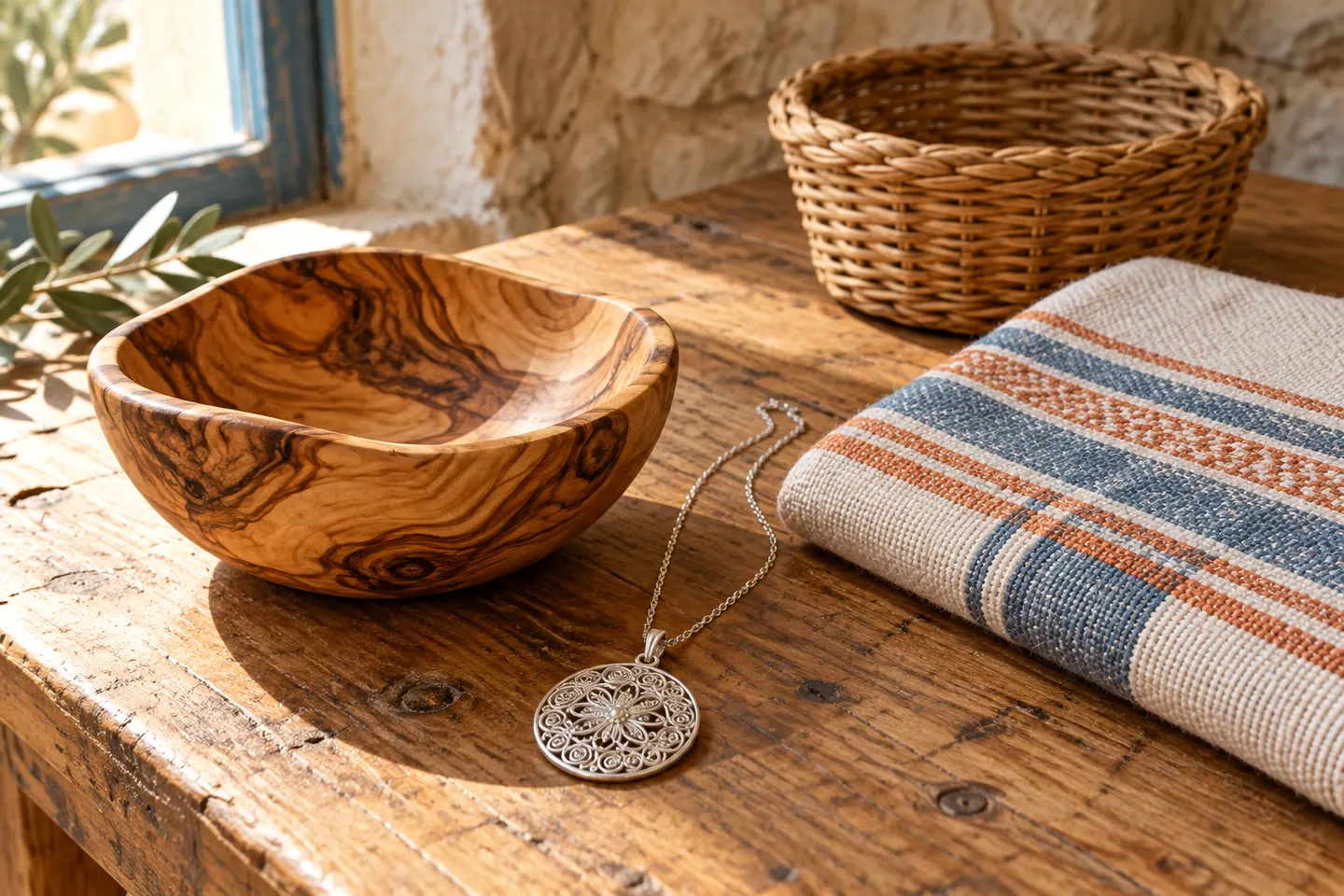
Cypriot craft traditions include pottery, weaving and basket-making. Official tourism information names Kornos and Foini for pottery and Fyti for woven textiles, for example. A workshop visit can bring the making process to life, provided the business welcomes visitors and the work is not disrupted.
For pottery, decide whether you want decoration or a food vessel. Ask about intended use, cleaning and food safety. Attractive looks do not answer these questions. For textiles, measurements and care instructions help ensure the piece is actually used later. Measure the relevant space at home beforehand. For an overview of different techniques, the Cyprus Handicraft Centre in Nicosia may be interesting; check current opening and demonstration options before a dedicated trip.
Choose coffee, wine and specialities purposefully
Cypriot coffee is a straightforward gift if the recipient likes this preparation style. Ask about grind size and simple instructions. A suitable briki can complement it, but should match the existing hob and intended use. Do not buy a large quantity solely for decorative packaging.
Wine enthusiasts may find Commandaria interesting. Taste thoughtfully if possible and note the exact bottling. For other foods, check ingredients, shelf life and storage conditions. Products requiring refrigeration need a realistic transport plan; a long outing in a warm vehicle is unsuitable temporary storage. The overview of Cypriot specialities helps with choosing. What matters is what you can take along well and correctly in your travel circumstances.

Assess origin and quality better with a few questions
A friendly conversation often gives more information than a large “traditional” sign. Ask specifically about the place of production, materials and stages of work. A seller not making the product personally is not automatically a drawback; what matters is whether the information is clear and fits the piece offered.
- Was the product made in Cyprus or merely sold here?
- Which parts are handmade and which are machine-made?
- How should the piece be cared for or stored?
- Is there a receipt with a clear product description?
Compare using these answers, not just the lowest price. Photograph the label if needed and ask permission before taking pictures in a workshop. A business does not have to interrupt all its work for a spontaneous demonstration. Respect for production is part of thoughtful shopping.
Consider transport and your travel route before buying
For liquids, fragile objects and food, check your airline’s carriage conditions and security screening rules before shopping. Consider which baggage allowance you have actually booked. A bottle requiring safe packaging needs space and weight allowance; improvisation at the airport is limited.
Special rules apply to goods crossing the Green Line. Check with the competent customs authority rather than applying usual assumptions about travel within the EU without verification. The travel guide to crossing in Cyprus explains the route context. Do not take archaeological finds or objects of unclear origin as supposedly harmless keepsakes. Do not simply collect natural materials either. A properly purchased product with clear origins is a much better basis for a souvenir.
Shopping as part of a good excursion
Plan one targeted visit rather than many compulsory sales stops. A workshop and village walk can form a meaningful combination if you are genuinely interested in the technique. If you only want a small gift, you do not need half a holiday day for it. Match the time spent to your fellow travellers’ interests.
After first looking, take a little distance before spending larger sums. A short coffee break often helps distinguish spontaneous enthusiasm from lasting interest. Afterwards, record what you bought and its care instructions. For gifts, a handwritten card can explain why you chose that particular piece. This creates a personal memory of Cyprus whose value need not depend on a large quantity of products or exaggerated authenticity claims.
Frequently asked questions: Cyprus souvenirs
Which souvenirs are typical of Cyprus?
Well-known options include Lefkara embroidery, silver filigree, pottery, woven textiles, coffee and local specialities. Typical does not automatically mean locally made, however. Ask about origin, material and care. Then choose by actual usefulness and what can sensibly be transported in your luggage.
Is every lace item from Lefkara automatically genuine Lefkaritika?
No. UNESCO recognition concerns the craft tradition and does not certify every item for sale. Ask for explanations of technique, origin and material, and compare workmanship. A purchase receipt with a clear description is helpful. Even a shop in the famous craft village may offer different product types and production methods.
What works if suitcase space is limited?
Small textiles, carefully chosen lightweight craft pieces or suitably packed coffee may be more practical than large pottery or heavy bottles. Your baggage limits and the recipient’s needs matter. For food, check storage and ingredients. Choose one suitable small piece rather than several objects that will be difficult to carry afterwards.
Sources and further information
Editorial update: . Check opening hours, access and transport connections with the relevant authorities before visiting.