Kolossi Castle is a compact cultural destination west of Limassol. Its striking medieval tower house and the neighbouring remains of a sugar mill make it interesting for visitors who want to discover history in a manageable area. As a guide, allow around 45 to 90 minutes, depending on how closely you explore the accessible sections. Kolossi combines well with another nearby destination. For a successful visit, the tower's stairs and the open outdoor spaces matter more than the longest possible list of additional stops.
A small castle with a major economic history
At first glance, Kolossi looks like a single massive tower. This compact shape makes the basic idea of a fortified complex easy to understand. Its history is closely connected with military orders and the use of the surrounding land. Alongside defence and administration, agricultural produce played an important role.
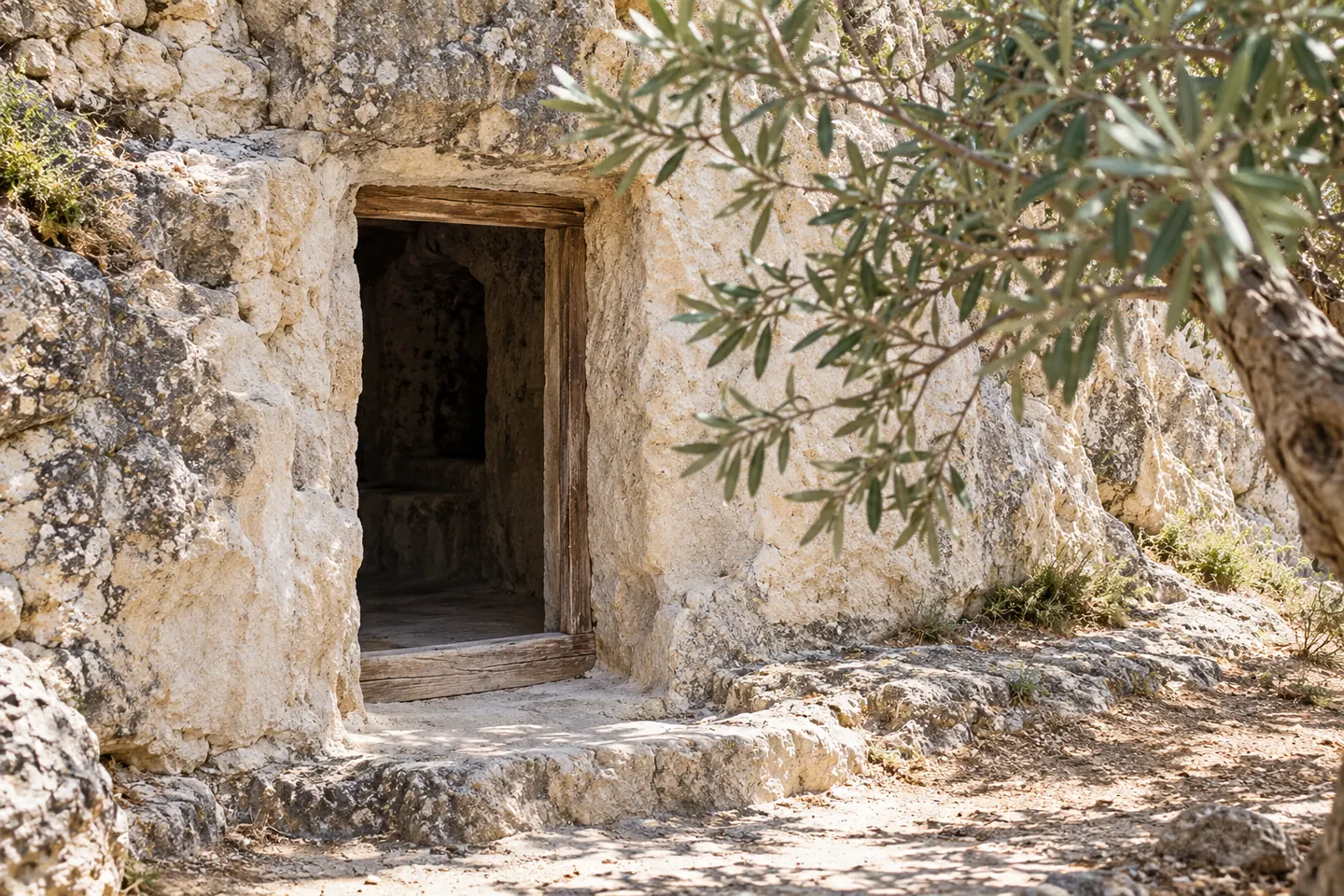
The present building was constructed in the 15th century on an older site. Look first at the outer walls, entrances and surroundings before entering. Questions about supplies and transport take you beyond the idea of a purely military castle: where could produce be processed, how did people move between buildings, and why was the location economically attractive? In this way, a small site can offer an accessible introduction to the island's medieval history.
Explore the tower step by step
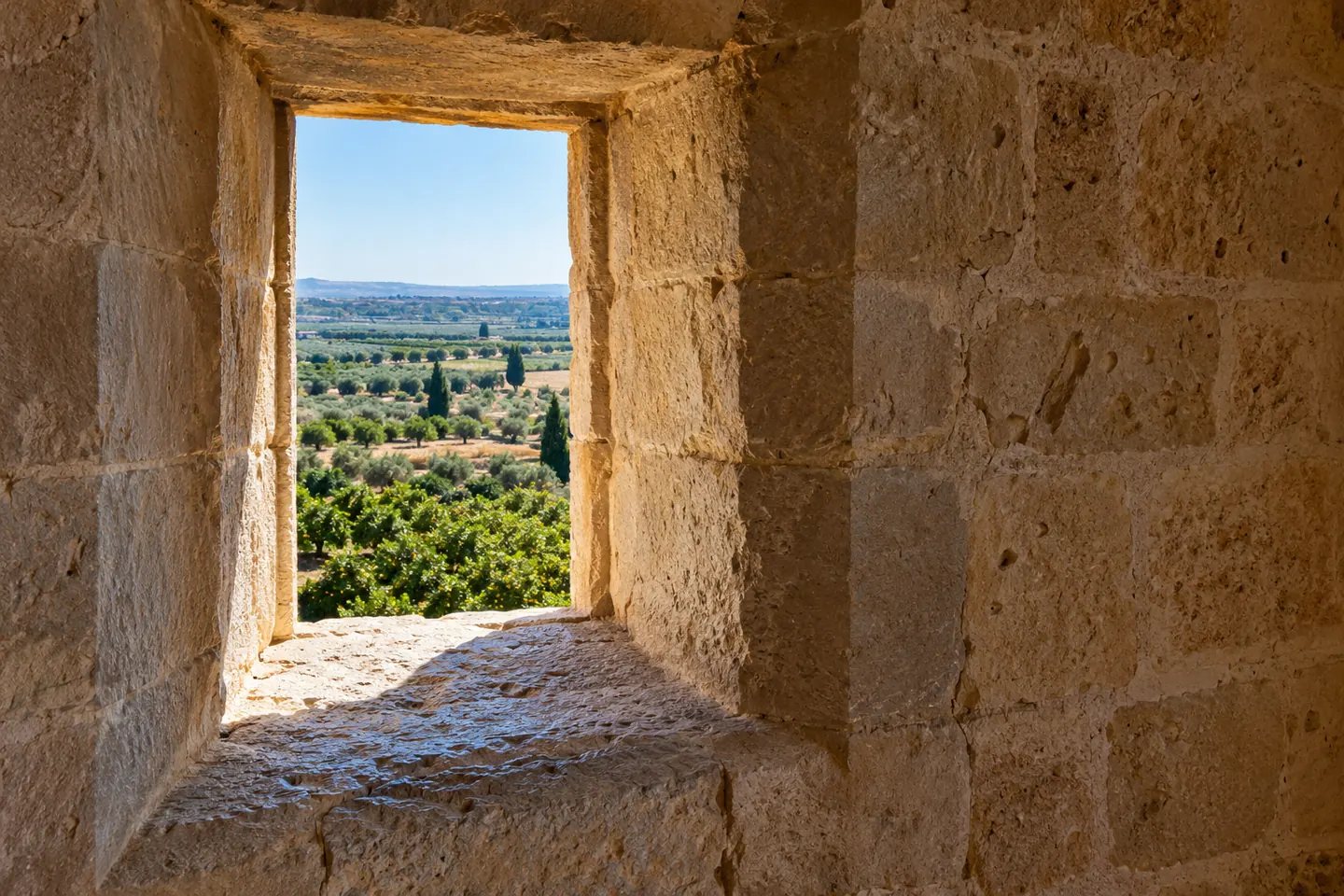
It is best to begin with a circuit of the accessible outdoor area. From a little distance, you can see the tower's proportions and how it differs from a sprawling fortress. Inside, look at the room layout, openings and wall thickness. Take a moment to absorb the rooms rather than simply moving on to the next viewpoint.
Reaching the upper sections requires stairs. Wear shoes with a secure grip and keep your hands as free as possible. Narrow passages are easier if you wait for people coming the other way. Children should be accompanied on steps and near walls. If a level is temporarily closed, the rest of the visit remains interesting. If your mobility is limited, check in advance which sections you can actually reach; the compact size does not automatically mean step-free access.
What the sugar mill tells us about Cyprus
The remains of a 14th-century sugar mill survive beside the castle. They add a perspective often overlooked at castles: history also consists of work, production and trade. The complex was not only a place to live or defend but part of an economically productive landscape.
Read the information boards carefully and try to understand how the individual structures relate to one another. Not every stone remnant is self-explanatory. Avoid interpretations presented as certain if there is no identification on site. For families, a useful question is which stages of work lie between a plant and a finished product for trade. You do not need every technical detail to recognise the difference between a prestigious tower and a working building. Stay on permitted paths throughout.

Putting Kolossi and Commandaria in context
The name Commandaria is historically linked to the Knights Hospitaller's Grand Commandery. The sweet wine remains part of Cypriot wine culture today. This does not mean, however, that you will find active wine production or a tasting inside the castle itself. The castle visit and a visit to a present-day winery are two separate activities.
If this connection interests you, read more in the travel guide to Commandaria and its region of origin. For an excursion, it is often enough to follow the historical connection at Kolossi and then choose one arranged appointment in the wine region. Allow time for the drive inland. A wine route on a map is not an invitation to drive through as many villages and businesses as possible in one day.
Which combination suits your interests?
Kolossi combines particularly well with a second clear focus. For ancient history, consider Kourion with its theatre and excavations. Bear in mind that further walking and largely exposed spaces await you there. In hot weather, start with the larger outdoor site and keep the later castle visit manageable.
For a quieter afternoon, allow time instead for Pissouri's village and bay. Combining the castle with Limassol's old town and promenade offers a change between history and city life. Deliberately choose one of these directions. Kolossi, Kourion, several wine villages and a long city walk together make a far more demanding day than the individual distances initially suggest.
Time, admission and suitable conditions for the day
An hour is a useful starting point for planning, but not a time limit. If you read a lot, take photos or travel with children, give yourself extra time. The official visitor page publishes seasonal opening hours, fees and closing days. Check these details before travelling, especially on public holidays or for a late visit.
Outdoors, allow for sun and heat; inside the tower, there are steps and changing light levels. A water bottle and sun protection therefore remain sensible even for a short visit. Do not leave valuables visible in your vehicle. In rain, walk slowly on smooth stones. If you need a break after a long journey, take it before the tour; the visit is more interesting when you still have attention and concentration to spare.
A day plan that leaves room for observation
Plan a cultural morning with two stops and a longer lunch break rather than many brief interruptions. For Kolossi, choose three observation questions in advance: how is the entrance protected, what reveals its residential use, and what traces of economic activity lie outside the tower? This turns a short stop into a focused visit.
For a day trip from a more distant holiday location, driving time must explicitly be included. Time at the castle alone says little about the overall commitment. Note which stop takes priority and which can be dropped if time is short. Also discuss whether the group can comfortably manage stairs and longer outdoor walks. A smaller route with sufficient breaks usually creates more understanding than a day when every attraction is seen only from the car park.
Frequently asked questions: Kolossi Castle
How long does a visit to Kolossi take?
Around 45 to 90 minutes is a sensible personal planning range. Those wanting only a quick overview need less time than visitors examining the interiors and mill remains in detail. Also allow for stairs, photos and breaks. Travel and a restaurant visit afterwards are additional to this time.
Is Kolossi fully accessible to wheelchair users?
A complete tour including the upper tower sections requires stairs. Before travelling, check which outdoor and lower areas are currently accessible. Do not rely on the castle's small size as an indication of accessibility. A visit tailored to your needs can be limited to reachable sections.
Can you taste Commandaria in the castle?
A castle visit does not include a promised tasting appointment. The historical connection with wine explains the region's importance but does not replace a visit to a present-day producer. If you want to discover Commandaria, plan a separately confirmed appointment and suitable return transport. The producer's offerings and opening must be checked.
Sources and further information
Editorial update: . Check opening hours, access and transport connections with the relevant authorities before visiting.