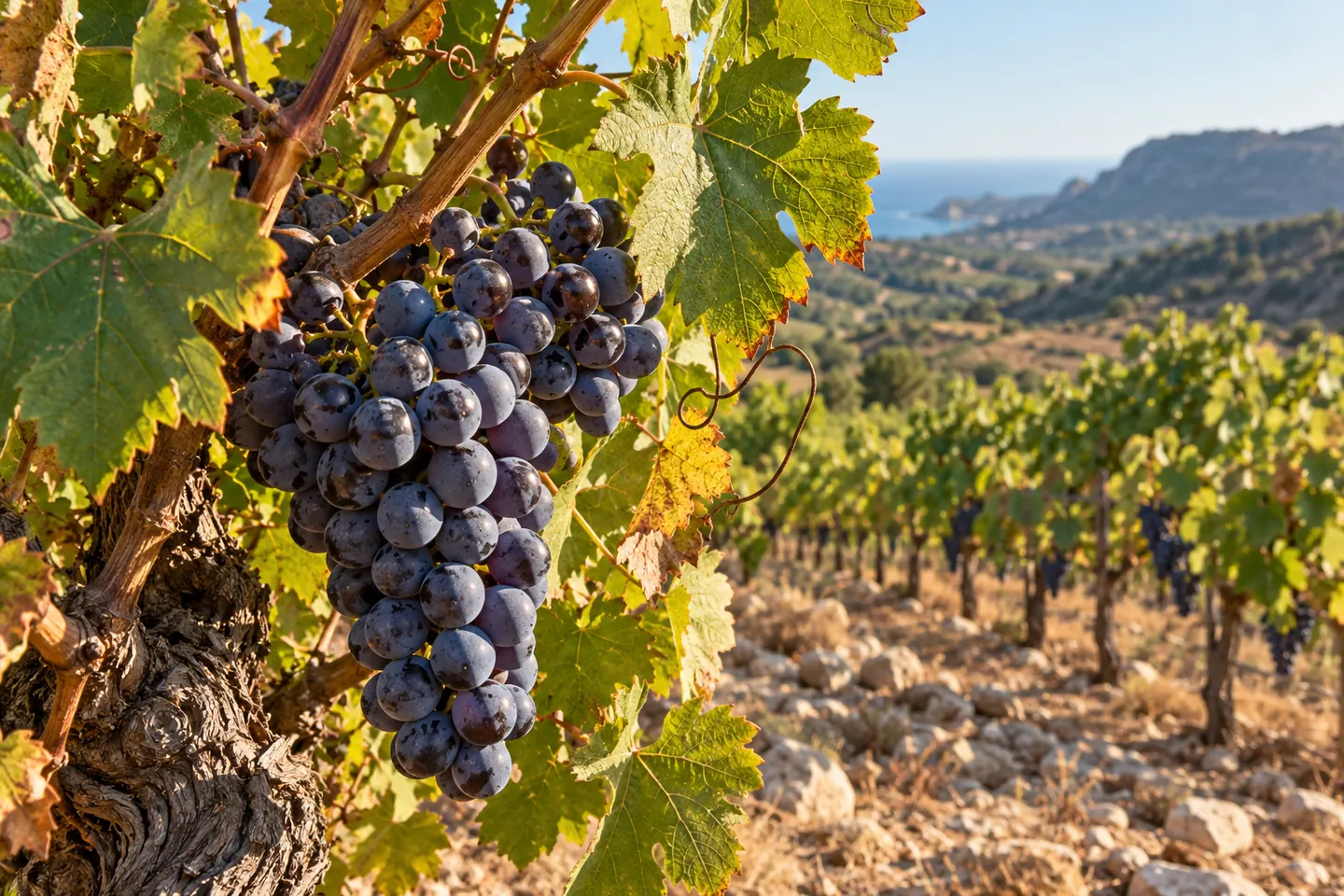
Wine tasting in Cyprus is particularly rewarding if you want to discover regional grape varieties and combine the visit with a suitable landscape or village. Important names include Xynisteri, Mavro, Maratheftiko and the sweet wine Commandaria. The official tourism information describes seven wine routes for orientation. However, a successful holiday day does not require driving a complete route. Choose one or two wineries, arrange the visit and organise a return journey without driving yourselves after drinking. The quality of conversation matters more than the number of wines tasted.
Which wine region suits your starting point?
For guests around Limassol, wine villages on the southern Troodos slopes are nearby excursion options. Omodos can provide a good village base if the selected winery and driving route fit. If staying in the Paphos region, consider a western route, for example around Laona–Akamas or Vouni Panagias–Ampelitis.
The official wine routes help you choose; they are not compulsory programmes. First decide how much driving time you accept and whether wine, cellar technology or scenery interests you most. Then seek suitable visits within a connected area. Crossing the island solely for several famous names can easily produce a day with more time in car seats than conversations at wineries.
Understand local grape varieties without prior knowledge
Xynisteri is one of Cyprus’s important white grape varieties. Mavro and Maratheftiko are indigenous red varieties. International varieties are also grown. The name alone, however, cannot reliably predict how a particular wine will taste to you: location, vintage and winemaking affect the impression.
Ask for two wines that can be compared meaningfully. For example, taste different versions of the same grape or two regional varieties side by side. Describe your impression simply: fresh, fruity, powerful, dry or soft. Specialist language is unnecessary. A good starting question is why the winery grows a particular grape at that location. This connects flavour and landscape in an understandable story.
Discover Commandaria as a style of its own
Commandaria is a sweet wine with a long Cypriot tradition. Indigenous Mavro and Xynisteri grapes shape this tradition. Drying the grapes before processing concentrates the sugar. Its flavour belongs to a different category from dry white or red wine, so it deserves its own moment during the tasting.
If you rarely drink sweet wine, taste a small amount attentively and ask about a suitable food pairing. Not every producer offers the same style or ageing. Compare not only sweetness but acidity, aroma and finish. Place Commandaria towards the end if the host recommends that sequence. A small serving is enough for a clear impression.
Commandaria and its homeland explains origins, grapes and combining it with a village visit in more detail.

Reservations: questions to clarify beforehand
An open winery does not automatically offer a full tour at any time. Production, staff and visitor operations must work together. Arrange your appointment and state group size, language and special interests. Also clarify whether non-drinking companions can participate.
- Is only a tasting planned, or a tour as well?
- How much time should be reserved?
- Which wines and any foods are included?
- Does any part take place outdoors or in the vineyard?
- What access and seating are available for limited mobility?
- Are there suitable options for children or non-drinking guests?
These questions prevent you expecting a production tour and finding only a sales counter. Conversely, a focused tasting may be exactly right when time is short. Clear expectations on both sides are what matters.
Make tasting informative and enjoyable
Drink water beforehand and do not begin completely hungry. Small amounts are enough during tasting. Spitting wine is normal and sensible when comparing several samples; ask for a suitable facility. You need not finish every sample or try every variety offered.
If helpful, note two or three keywords and photograph the label with permission. You will then remember which wine you liked. Ask about serving temperature and food pairing for that specific bottle. Let your taste and budget guide purchases. Even the friendliest tour does not oblige you to buy more than you want. If buying, consider transport and storage for the remaining holiday days immediately.
A wine day with a village and lunch break
A relaxed day can begin with a village walk, continue with an extensive tasting and end with lunch. Leave enough time between visits if adding a second producer. Two clearly different visits are usually more interesting than several nearly identical tastings in succession.
For guests with varied interests, wine should not dominate the whole day. A historic lane, viewpoint or craft business can complement it. Do not plan a long demanding hike after tasting. If tired in the afternoon, reduce the programme. The return should be arranged before the first glass is poured. A sober driver deserves a complete, enjoyable experience without any expectation to drink even “just a little”.
Season, clothing and wine as a gift
The vineyard atmosphere changes with the seasons. Ripe grapes are not present year-round, and harvest work does not automatically mean visitors may join in. If interested in a particular production stage, ask specifically about the possible period and actual visitor offer.
For time outdoors, closed comfortable shoes, sun protection and possibly an extra layer are sensible. Cellars may feel cooler than outside. Do not leave purchased bottles in a hot car for long. For air travel, clarify packaging and applicable baggage or import rules. For many guests, one carefully chosen bottle with an understandable story is a better gift than a large purchase without a suitable transport plan.
Frequently asked questions: wine tasting in Cyprus
Should you reserve wine tasting in Cyprus?
Advance arrangements are recommended, especially for tours, small-group offers or a specific language. Opening hours alone do not indicate whether a hosted tasting is possible. State group size and desired duration. The business can then confirm what it actually offers on your date.
Which Cypriot wines suit beginners?
Comparing Xynisteri as a white with a regional red such as Maratheftiko offers a good introduction. The specific wine remains decisive, as winemaking and vintage shape its flavour. Tell your host which styles you like. A small Commandaria finale also reveals the sweet side of the wine tradition.
Can you accompany a wine tasting without drinking alcohol?
This is often possible organisationally, but should be agreed with the business beforehand. Ask about alcohol-free drinks, a tour or a culinary component for companions. The day can also include a village and scenery. Nobody needs to drink wine to find its production and region interesting.
Sources and further information
Editorial update: . Check opening hours, access and transport connections with the relevant authorities before visiting.