Limassol’s old town is easy to explore on foot if you plan the castle district, selected lanes and Old Port as one connected visit. The modern marina and seafront promenade add to the picture, but are not simply other names for the historic old town. A few in-depth stops with a break are enough for an enjoyable walk. This travel guide describes a personal selection and helps combine history, present-day life and the sea into a sensible sequence. A complete official city walk may be more extensive and should not be equated with a short stroll.
Begin with a clear starting point in the castle district
The castle surroundings are a useful reference point for the historic centre. Decide beforehand whether to look only from outside or visit the museum. The two options need different amounts of time. The overview of Limassol’s sights shows which other destinations lie within and outside the centre.
When arriving by transport, agree on an identifiable meeting point and plan the way back too. Accommodation on another stretch of coast is not automatically within comfortable walking distance. The cruise port is also not the same as the Old Port in the centre. Clarifying these geographical differences at the start makes the subsequent walk much more relaxed.
Consider the castle as both a building and a museum
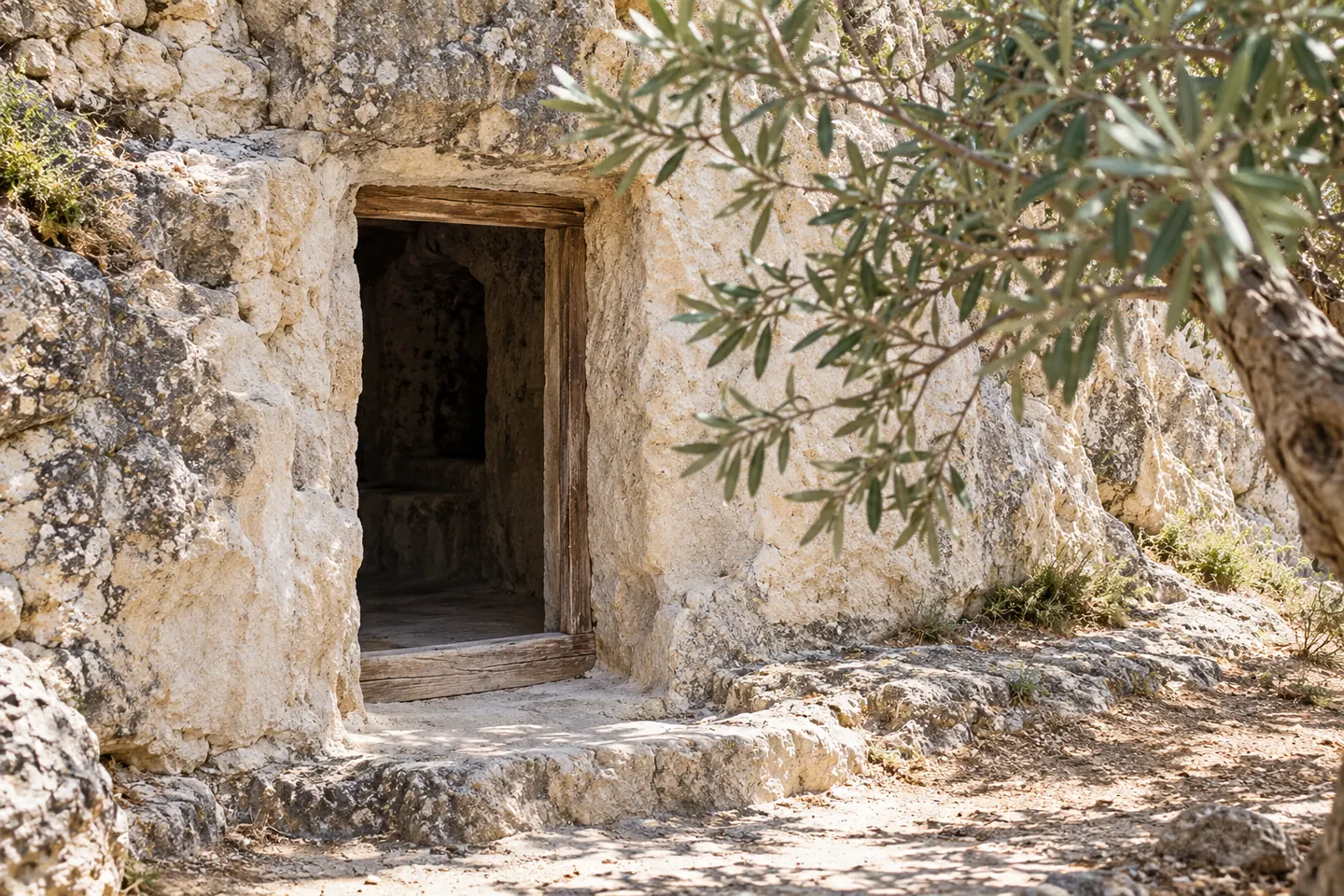
The present castle houses the Cyprus Medieval Museum, offering more than a photographic backdrop. During an interior visit, choose a few topics that interest you rather than trying to give equal attention to every exhibit. Consider historic stairs and different sections of the building when planning how far to walk.
The well-known association with Richard the Lionheart’s wedding is told as a tradition linked to the site or an earlier building. This should not become a claim that the present structure is the unchanged wedding venue of that time. Good guiding separates such stories from what can be established from the existing building. This distinction brings history to life without presenting legends as certain architectural facts.
Lanes, squares and the history of carob
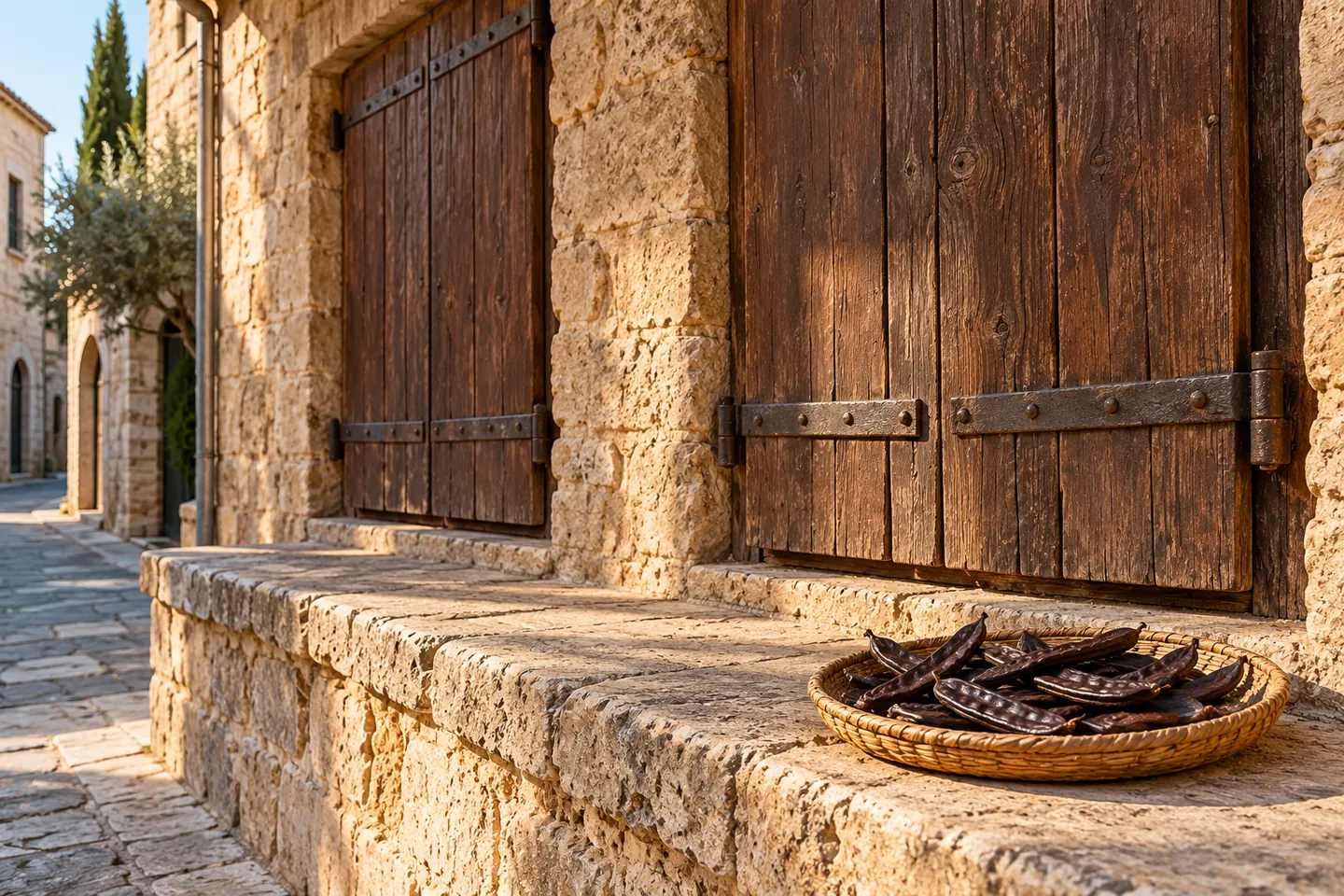
Around the castle district, it is worth looking at smaller streets and the uses of older buildings. Trade and storage form part of this port city’s history. The area associated with historic carob processing offers a way to explore these economic connections. You do not need to enter every building; location, form and a short explanation often already aid understanding.
Let everyday city life remain part of the walk. Shops, cafés and homes are not simply an exhibition. Ask before taking detailed photographs in businesses and do not block entrances. If you want to take home a regional product, supplement your visit with the advice on souvenirs from Cyprus. An informative conversation is often more useful than seeking as many shopping stops as possible.
Agora and Saripolou: a break amid city life
The area around Agora and Saripolou is a possible stop on an old-town walk. Check what is actually open on your visiting day and at what time you would like to experience it. A square can feel very different in the morning, late afternoon and evening. Statements such as always quiet or always full of nightlife are unreliable for planning.
A longer break lets you notice people, architecture and sounds. If food interests you, the guide to Cypriot cuisine provides background on different dishes. Not every establishment on a well-known square represents the same cuisine or price. Choose according to the current menu, your preferences and the day’s rhythm, rather than solely a general old-town recommendation.

Combine the Old Port, marina and Molos deliberately
At the Old Port, the character of the walk changes. After the narrower streets, you can plan time by the water here. The marina is a further modern area, while Molos offers waterfront space and sculptures. Which addition makes sense depends on how far you have already walked and where your return route begins.
You do not have to walk every section on the same day. Choose a short coastal break or deliberately extend the route. Especially with children, an open area by the sea can contrast well with prolonged standing in an exhibition. Watch for traffic, cycle paths and individual access points to the water. A promenade is a walking area, not automatically a suitable swimming spot.
Distinguish the official route from your own short circuit
The regional tourism organisation publishes a more extensive city route with numerous stops. Use its map for orientation even if you choose only one section. A smaller selection comprising the castle quarter, a square and the Old Port is then your own walk, not the complete official route. This clarity prevents unrealistic expectations about duration and scope.
For cruise passengers, return planning is also crucial. The guide Limassol independently explains the limited time window and differences between the terminal and city centre. Hotel guests can revisit an interesting place later; during a port call, the start and return journey must be established beforehand. Leave sufficient reserve rather than filling the last free time with further outlying stops.
Complement the city visit with a different holiday day
After an old-town day, ancient landscapes or mountain villages can be an interesting addition. This does not require an abrupt change halfway through the walk. Excursions from Limassol separately cover cultural destinations to the west and village or mountain days inland. This gives each day its own focus.
For a private trip, describe what particularly appealed to you during the city visit. Someone interested in economic and everyday history may choose a different excursion from someone mainly wanting landscape photographs. Ask about specific stops and services, not just a general sightseeing drive. A clear wish and a manageable radius help make the next excursion more than a journey between familiar place names.
Frequently asked questions: Limassol old town
Can Limassol’s old town be explored comfortably on foot?
A selected walk between the castle quarter, lanes and Old Port is easy to plan. However, check your accommodation location, surfaces and preferred distance. Further areas such as the marina or Molos extend the walk. For people with limited mobility, an exact route description is more useful than the general label short stroll.
Are the Old Port and cruise terminal the same place?
No. For planning, distinguish the cruise terminal from the Old Port in the city centre. A city walk does not automatically start immediately beside the ship. Clarify the intended transfer, meeting point and return journey. During a cruise stop, the confirmed return requirement remains decisive.
Do you have to see the castle’s interior?
An interior visit can add depth, as the castle houses the medieval museum. For a short stay, however, an exterior view with background knowledge may also be worthwhile. Decide according to interests, time and mobility. Museum, lanes and a long waterfront section should not be squeezed into the same short visit without careful consideration.
Sources and further information
Editorial update: . Check opening hours, access and transport connections with the responsible organisations before visiting.