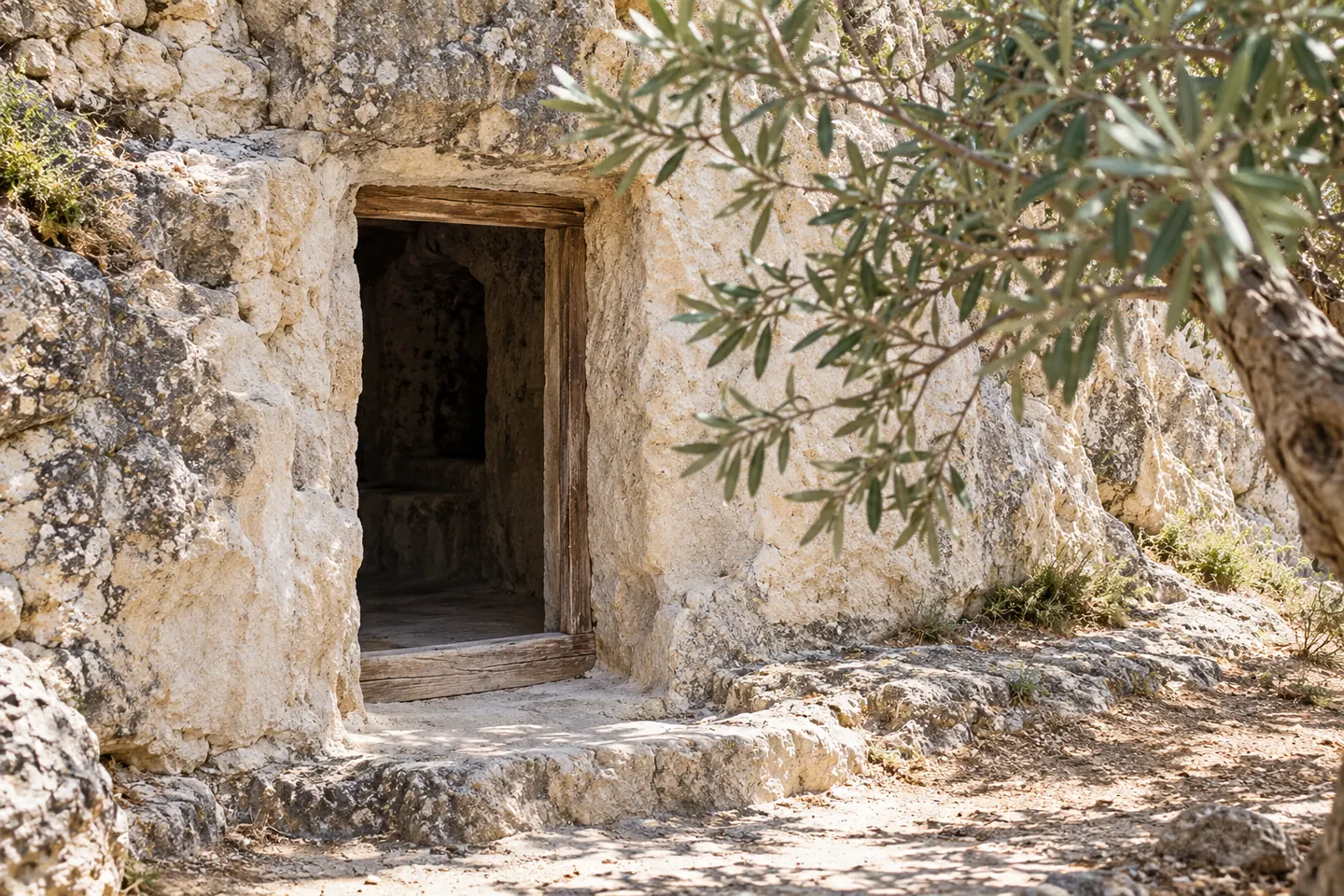
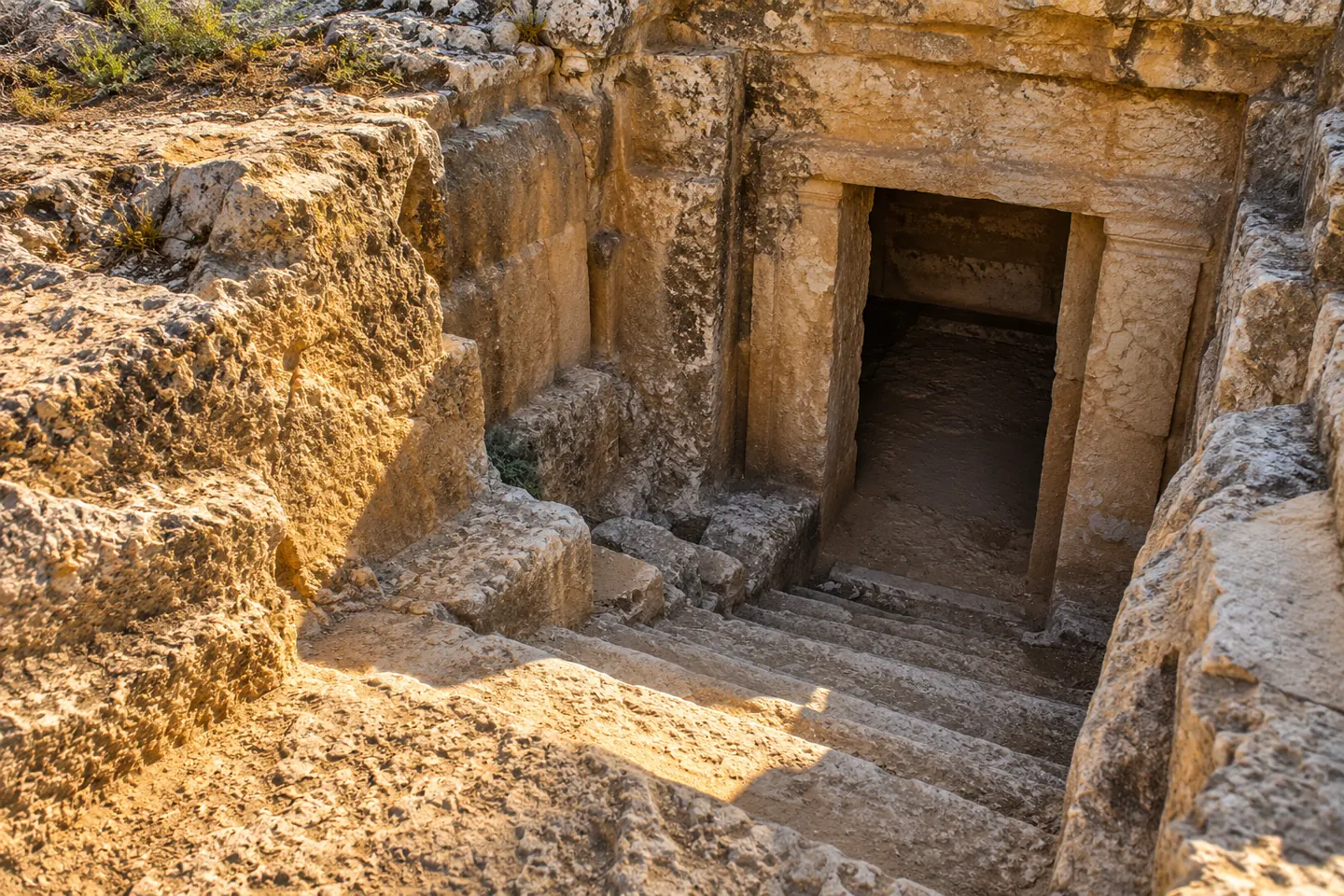
The Tombs of the Kings in Paphos are a rock-cut necropolis with monumental courtyards and burial chambers. Despite the famous name, the official description states that mainly high-ranking individuals and members of the upper classes were buried here, rather than simply a succession of Cypriot kings. The site forms part of the Paphos UNESCO World Heritage property and is separate from the main archaeological area near the harbour. Plan a separate visit accordingly. Around one and a half to two hours is a helpful guide for a relaxed first tour, depending on how many stairs and tomb complexes you actually wish to explore.
Why the tombs are called ‘royal’
The name may create expectations of labelled royal tombs with precious grave goods. In fact, monumental architecture is the focus. Official tourism information explains the name through the scale and elaborate design of the complexes. The site therefore primarily offers insights into burial culture, social status and craftsmanship in rock.
This context helps you prepare. Do not expect an enclosed museum with a continuous exhibition in air-conditioned rooms. You are visiting an open archaeological landscape where layouts, courtyards and chambers themselves are the main evidence. Entering with this expectation makes you notice details more deliberately. A particularly interesting question is why some tombs resemble houses and what significance an impressive room could have even after death.
Research is not complete: a publication presented by the Department of Antiquities in 2026 discusses a possible connection between Tomb 8 and the last Ptolemaic king of Cyprus. This is a scholarly interpretation, not a confirmed identification. Blanket claims that no king could ever have been buried here therefore also go too far.
What you can identify on a walk around the site
Some complexes have sunken courtyards with entrances to burial chambers arranged around them. Columns and clear sequences of spaces make these structures easy to appreciate. Before descending, take a look from a permitted upper viewpoint: the layout is often clearer there than between individual walls. Afterwards, explore selected details up close.
Deliberately compare a more elaborate complex with a simpler one. The aim is to recognise differences, not tick off every numbered point. Look for tool marks, transitions between rock and added architecture, and the effect of light in the courtyards. Stay on permitted routes and do not enter closed chambers. Conservation and visitor access can change, so older photos are not a reliable guide to permitted areas.
How to plan a manageable visit
At the entrance, first use the on-site information to get an overview. Then choose a small sequence of stops that match your interests and walking ability. One and a half to two hours is a useful planning allowance for a first visit. If you take photos, read in detail or need many breaks, add extra time.
Start with the areas most important to you. This keeps the outing rewarding even if heat or fatigue makes a shorter tour sensible later. For families, setting two or three observation tasks can help: where was the courtyard, how did people enter the chambers, and which shapes repeat? This focus teaches more than a long lecture unrelated to the visible site.
- Check the site map and current access guidance at the entrance.
- Choose the two or three most important tomb complexes first.
- Use stairs only if they suit your mobility.
- Plan a break and the subsequent journey separately.

Stairs, sun and your own stamina
The sunken complexes can only be reached through their access routes and steps. Not every visitor needs to descend to gain an impression. Visit Cyprus describes wheelchair accessibility as partial, with views from above. Ask in advance which paths are currently usable for your situation, and remember that a general classification does not cover every individual requirement.
Bring water, a hat and shoes with good grip. Temperature and brightness can differ significantly between open spaces and cooler chambers. Move slowly when transitioning, especially on stairs. With small children, stay close together near depressions and edges. In summer, a manageable tour at a more comfortable time of day is better than the longest possible stay in the midday heat.
Tombs of the Kings and the harbour park: two different visits
The designation Paphos UNESCO World Heritage includes several related archaeological components. This does not mean they all share one entrance or can be reached by a short walk within the same site. The Tombs of the Kings lie north of the harbour area. The archaeological area with the famous Roman mosaics by the harbour is a separate visiting focus.
If you want to see both on the same day, plan a break and the necessary transfer between them. Two open excavation sites can be tiring in summer heat. For many guests, combining one archaeological site with relaxed time at the harbour is more balanced. Those especially interested in culture can deliberately split the two sites across two days, combining each with another neighbourhood or a meal.
A sensible day plan for Paphos
Start with the Tombs of the Kings while you are still rested. Afterwards, take a longer break before choosing a second activity. This might be the harbour, a walk through another part of Paphos or a café visit. The farther away your accommodation, the more important it is to include the return journey as part of the day.
Check admission, seasonal opening hours and possible closing days on official websites shortly before your visit. Even a well-known site may be temporarily affected by works or events. Keep your tickets and meeting-point location safe when travelling in a group. A clear agreement on when and where the walk ends gives everyone enough freedom and avoids unnecessary searching across the extensive grounds.
Frequently asked questions: Tombs of the Kings, Paphos
Are kings actually buried in the Tombs of the Kings?
The familiar name is not a reliable description of everyone buried there. Visit Cyprus explains that the tombs mainly belonged to senior officials and members of the upper classes. The name refers to the tombs' size and splendour. For visitors, the focus is therefore on the necropolis's architecture, not a documented list of royal individuals.
Can I visit the Tombs of the Kings in a wheelchair?
Official visitor information describes partial accessibility, particularly for viewing from above. The sunken courtyards and burial chambers are not all accessible without steps. Clarify in advance which paths are currently usable and whether they suit your wheelchair and assistance needs. If necessary, plan a shorter route at suitable viewpoints.
Do the Tombs of the Kings and the mosaics share the same entrance?
No, the Tombs of the Kings and the archaeological park near the harbour are separate locations. Although both belong to the Paphos World Heritage Site, check access, routes and ticket conditions for each. If combining them in one excursion, allow for travelling between sites and a break, rather than treating them as one small complex.
Sources and further information
Editorial update: . Check opening hours, access and transport connections with the relevant authorities before visiting.