Cyprus in March particularly suits travellers seeking landscapes, walks and culture. Plan a spring trip with changeable conditions, not a reliably beach-focused holiday. On the coast, combine outdoor time with ancient sites and city visits; higher destinations need their own weather check. A practical base is accommodation with reachable restaurants and two day ideas with different weather requirements. Your week then stays varied even if a nature day needs postponing. The focus is on manageable routes and time for each place.
March in Cyprus: realistic expectations
Official tourism information describes March as a suitable time for countryside walks. This is seasonal guidance, not a forecast for your dates. Your decision therefore depends on how much holiday flexibility you enjoy. If a museum visit is as welcome as a coastal walk, the month offers many possibilities.
If you mainly want long sea swims, consider your personal tolerance of cold rather than comparing only air temperatures on a weather website. Even a sunny afternoon says little about the water. A hotel pool can be an alternative if heating is confirmed for your specific dates. A seasonal comparison is in the overview of the best time to visit Cyprus.
March temperatures: coast, capital and mountains
Historical monthly averages from the WMO World Weather Information Service, using Cyprus Department of Meteorology data, provide regional context. The following selection is for March in the reference period 2002–2011. It shows average daily maximum and minimum temperatures, not whole-day averages.
| Place | Average daily maximum | Average daily minimum |
|---|---|---|
| Larnaca (coast) | 20.2 °C | 9.1 °C |
| Nicosia (inland) | 20.1 °C | 7.8 °C |
| Prodromos (mountains) | 11.8 °C | 3.8 °C |
These historical comparisons are neither a current climate normal period nor a holiday forecast. They apply to the named places and must not be generalised across the island. The coast–mountain difference is clear. Clothing for a sunny coastal midday is therefore not an adequate planning basis for a day in Prodromos or other high-altitude places.
Choose your base according to the days you plan
For a first trip, a coastal city is a practical base. In Paphos, combine archaeological visits with harbour walks. Larnaca suits plans that include the southeastern hinterland as well as the coast. Limassol combines an urban stay with excursions west of the city or into the wine region.
Check the immediate surroundings of your accommodation: reachable evening dining, useful bus links and a pleasant walking route? A remote summer hotel may have different conditions for March. The choice between Paphos and Larnaca should therefore start with your desired activities. Moving base during one week is worthwhile only if it actually saves journeys.
Experience spring landscapes without promising blooms
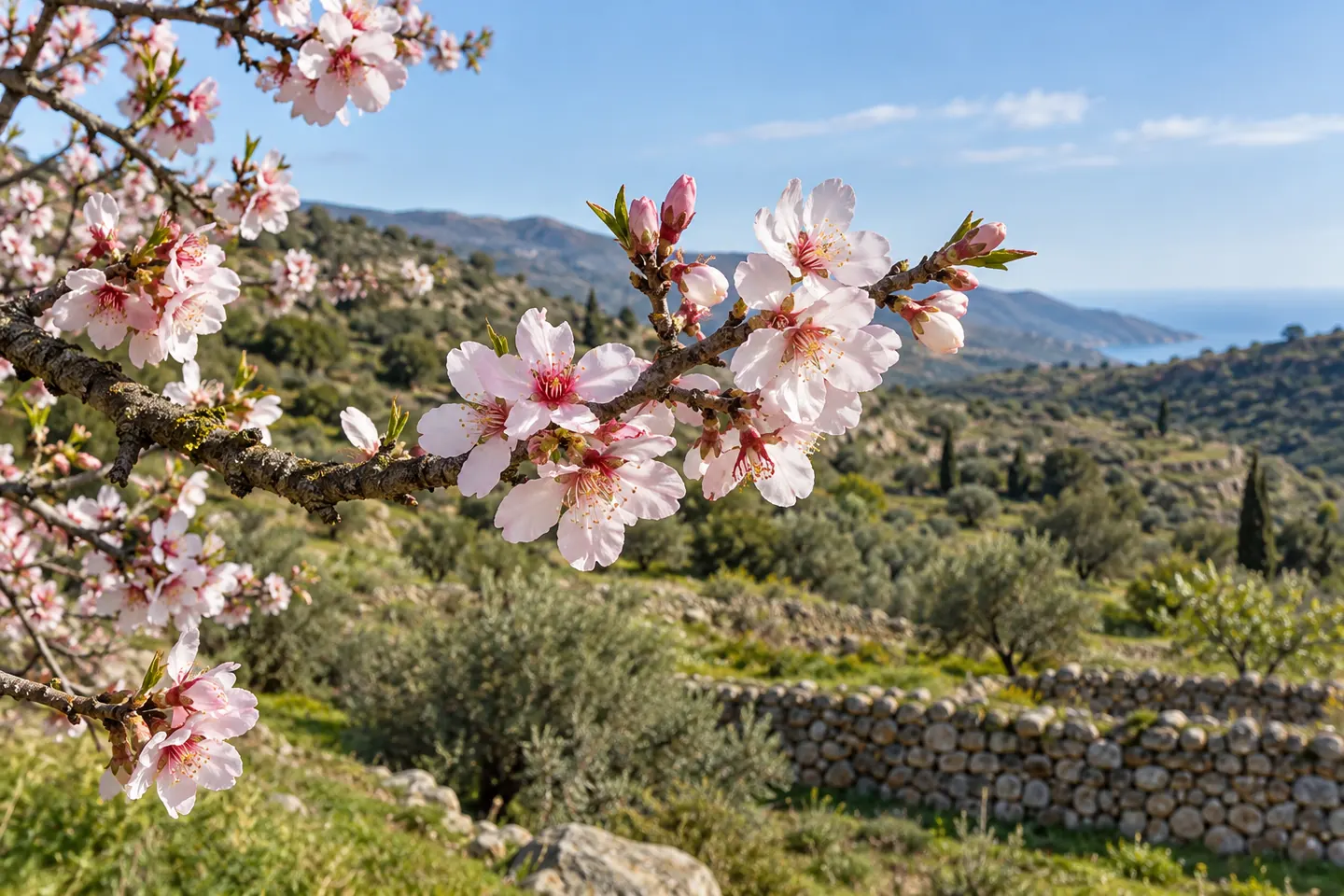
Nature observation becomes more interesting when you do not try to force a particular bloom or photo subject. Choose a signposted trail, notice plants along the edges and take time for landscape details. Rainfall, altitude and exact dates influence what you see. A flowering landscape in an advertising photograph is not a fixed March appointment.
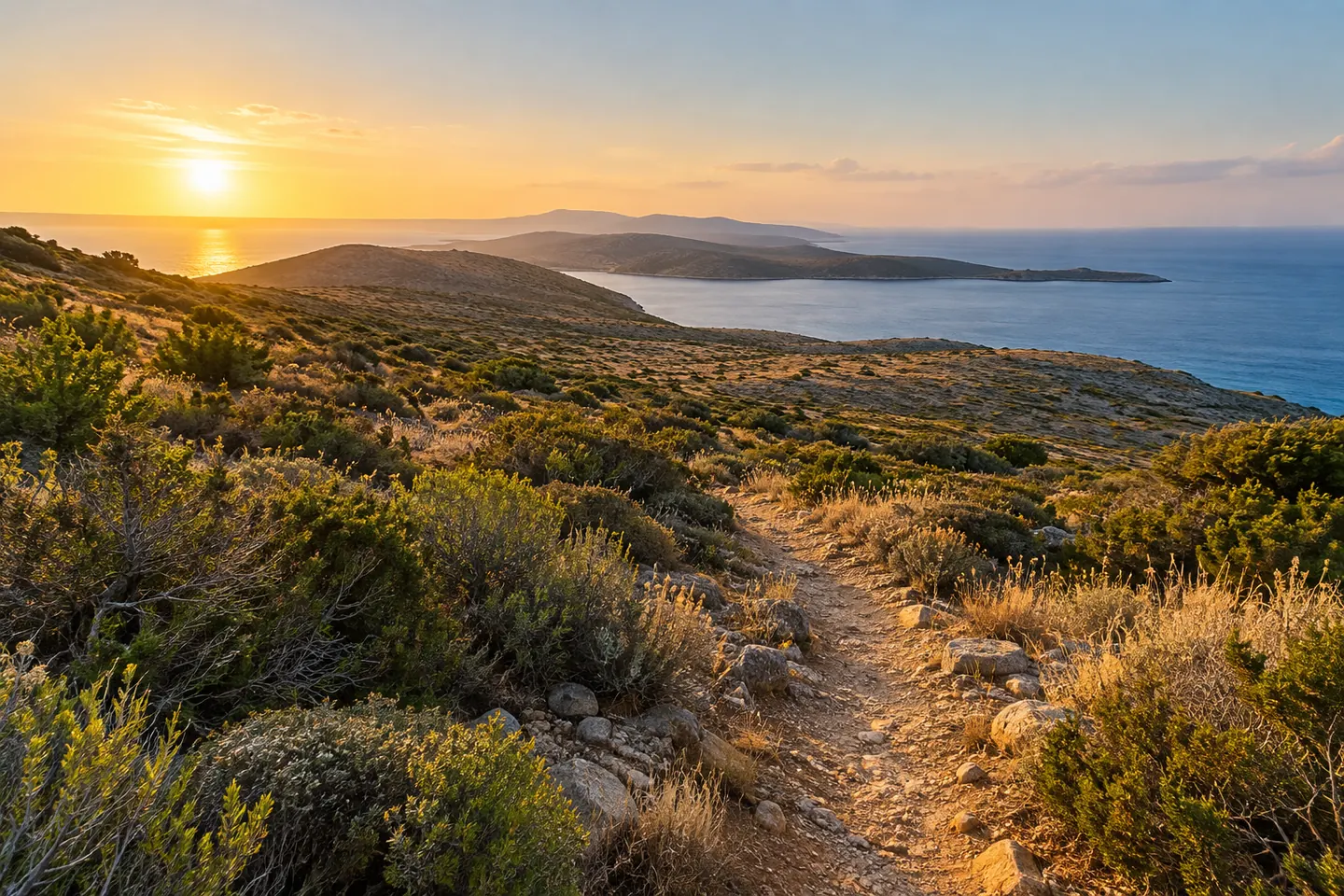
As a practical rule, choose a short route with a clear return option for your first nature day. Check surface, elevation gain and path condition, not only kilometres. Rocks and soil may be slippery after rain. The hiking in Cyprus guide explains which region suits your ability. Stay on authorised paths and leave plants and stones where they are.

Combine outdoor culture with an indoor destination
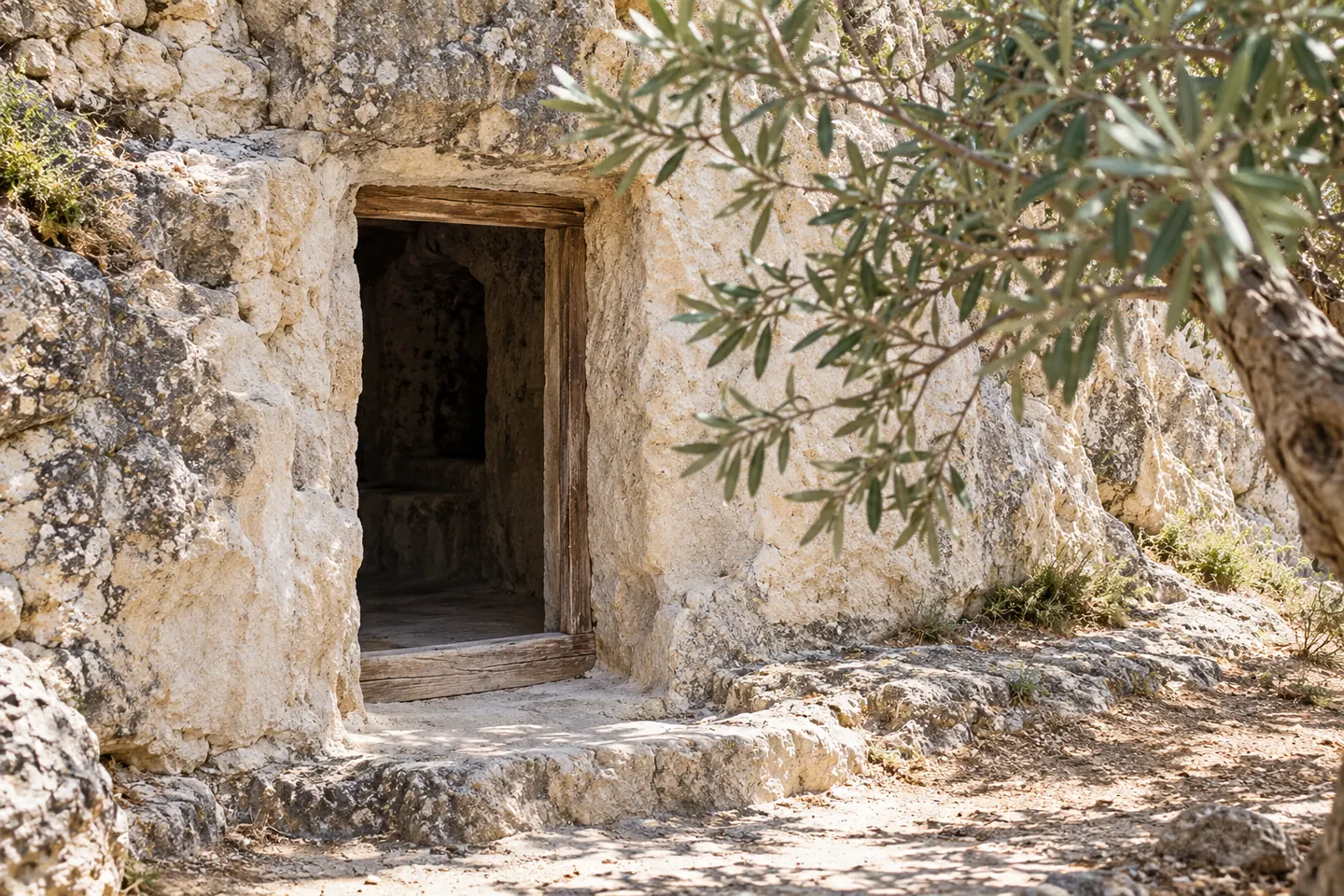
A sensible cultural day consists of one main destination and one addition. In Paphos, the archaeological park with its mosaics can take centre stage, followed by a leisurely look at the harbour. To make the visit more than photographs, choose two or three areas beforehand that you would like to learn about.
In Nicosia, prepare a city walk and the Cyprus Museum as separate activities. Check the museum's opening for the specific weekday. It is more than a rainy-day substitute: it helps put later finds at archaeological sites in context. Allow a real break between the two activities. An additional long journey to a third place usually makes the day less flexible.
Village visits and Troodos: altitude makes a difference
An inland excursion need not reach the highest mountains. Lefkara, with its lanes and craft traditions, offers a theme of its own. Combine a walk with more time at an open craft business or a quiet lunch rather than briefly driving through several villages.
For a Troodos day, check weather and road conditions shortly before travelling. March on the coast does not automatically mean spring conditions at every altitude. Choose a lower-altitude backup programme if your original destination cannot reasonably be reached. Keep a warmer layer handy. Even a brief stop feels different when wind picks up or you stand in shade for longer.
A weekly rhythm for a relaxed March trip
Start with a day around your accommodation. Then alternate culture, nature and free time. The following distribution is a planning suggestion, not a fixed route: an arrival day, two regional cultural or village days, one light nature day, two flexible days and departure. Weather, opening and personal energy determine which days you swap.
Book early only those activities that genuinely require an appointment. Leave an alternative open for a walk. Scheduling a long mountain day immediately after a late arrival creates unnecessary pressure. Also keep a day free of major driving. You can then revisit a lovely place or turn a quick coffee into a relaxed afternoon.
Clothing, rainy-day alternatives and practical preparation
A lightweight weatherproof jacket, longer clothing and worn-in shoes make a versatile base. Add sun protection and a small day bag. Covering different temperatures with a few interchangeable layers avoids taking half your suitcase on an outing. For church visits, clothing covering shoulders and knees is useful.
Save two specific nearby indoor destinations with opening hours and directions. The overview Cyprus in the rain helps you choose. A wet day also suits a longer lunch or preparation for the next outing. Check the forecast again in the evening, then decide which prepared activity actually matches the conditions.
Frequently asked questions: Cyprus in March
Is Cyprus warm enough for a holiday in March?
March can suit a holiday with culture, walks and flexible excursions. The key is planning for varied conditions. A pleasant hour in sunshine cannot be assumed for the whole day or the mountains. Choose accommodation and clothing so cooler evenings and a rainy day remain easy to manage.
Do you need a rental car in March?
A rental car is not essential for a city base with selected outings. The connection to your hotel and access to your chosen destinations are decisive. Buses, occasional organised excursions and prearranged journeys can be combined. For scattered villages or different trailheads, a car offers greater flexibility but requires planning for left-hand traffic.
Which March excursions involve little walking?
Choose a manageable village centre, a city area with seating or a museum whose accessibility has been checked. Even short walks may include cobblestones, steps or slopes. Ask about the actual route rather than relying on the label ‘easy excursion’. One well-chosen destination is often more pleasant than several brief stops.
Sources and further information
Editorial update: . Check opening hours, access and transport connections with the relevant authorities before visiting.
- Visit Cyprus: climate and seasonal activities
- Visit Cyprus: Kato Paphos Archaeological Park
- Visit Cyprus: Cyprus Museum in Nicosia
- Visit Cyprus: Lefkara
- WMO World Weather Information Service: Larnaca, monthly averages 2002–2011
- WMO World Weather Information Service: Nicosia, monthly averages 2002–2011
- WMO World Weather Information Service: Prodromos, monthly averages 2002–2011