For a Cyprus holiday with plenty of sightseeing, spring and autumn are usually the most balanced seasons. Those focusing on long beach days tend to choose the warmer months, while summer heat is a major disadvantage for strenuous hiking. There is therefore no single best time to visit. What matters is your balance of swimming, cities, mountain villages and relaxation. Location on the island also makes a difference: a sunny coastal day says little about conditions in the higher Troodos mountains.
Decide what you want from your holiday, then choose the month
Start planning by asking what kinds of days you imagine. Do you mainly want to relax by the sea with just one excursion? Or should every other day reveal a different region? In the first case, swimming conditions and hotel facilities matter most. In the second, walking comfort, driving distances and being able to spend several hours outdoors count.
Wishes also differ within a group. A family with small children plans differently from a couple wanting detailed visits to archaeological sites. Write down three essential experiences. If all three require long periods outdoors, a milder season is usually the more sensible starting point.
Do not base this decision only on a monthly average temperature. It shows neither the sun's intensity on a specific day nor wind, shade or the effort of a longer hike.
Spring: good conditions for culture and nature
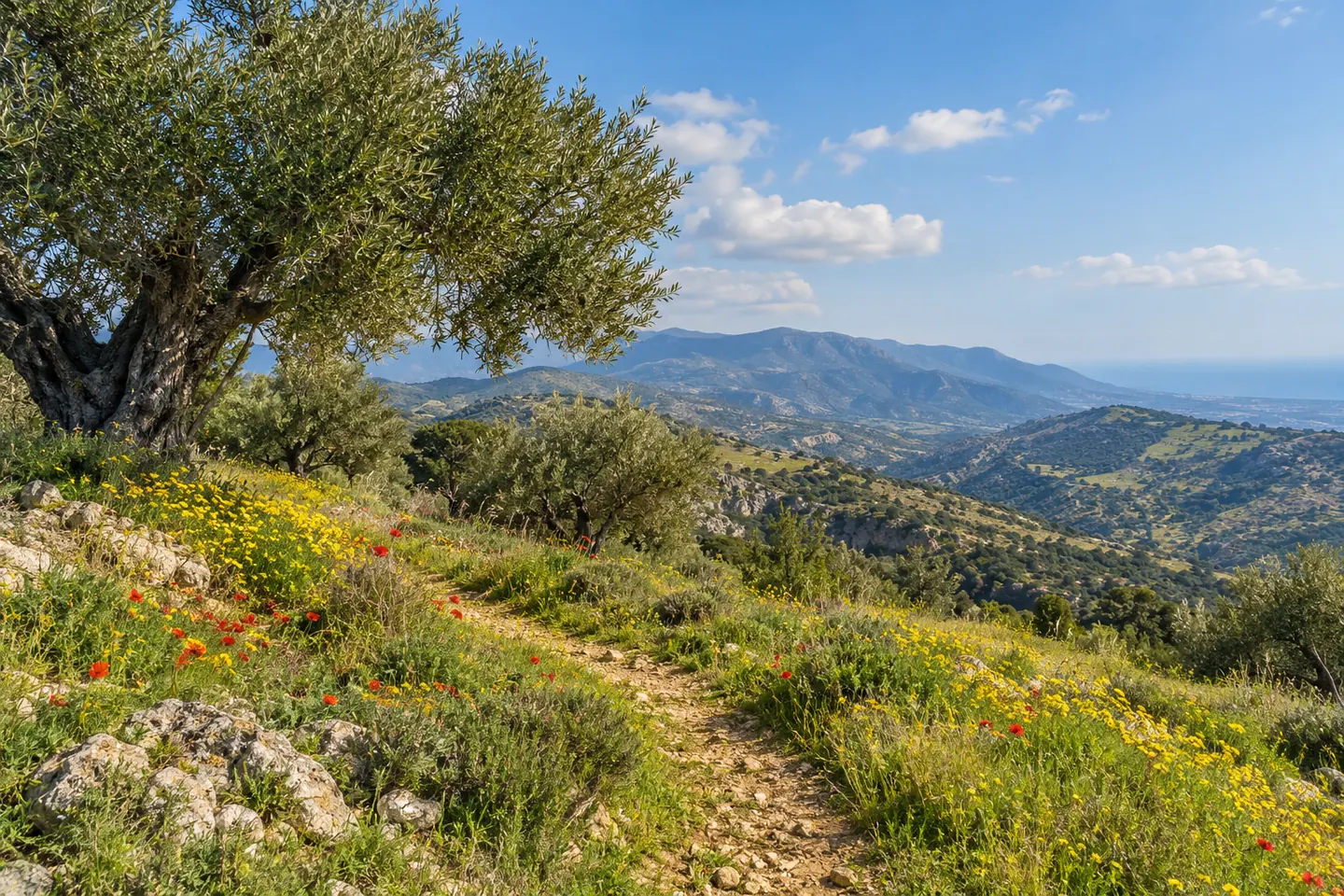
In spring, village visits, city walks and open excavation sites can often be combined pleasantly. It is a good season for a first touring holiday if swimming is welcome but need not be guaranteed every day. After the wetter months, the landscape may look greener than in late summer.
An example spring day starts with a cultural destination, includes lunch in a village and ends with a short coastal walk. This uses the variety without building the day solely around warm swimming weather. In April and May, still pack an extra layer.
In Troodos, conditions vary with altitude and weather. Choose trails according to the current situation, not the calendar alone. A small church or village museum can also be a good alternative when a planned longer outdoor activity becomes unsuitable.
For travel at the start of the season, the guide to Cyprus in March offers advice on flexibly planning nature and cultural days.
For the transition between spring and the swimming season, Cyprus in May explains how to combine beach wishes and excursions sensibly.
Summer: beach holidays and carefully paced excursions
According to official tourism information, Cyprus's summer is long, dry and hot. If choosing this season, adjust sightseeing times. Visit excavation sites with open paths and little shade early. One main focus and a generous break make more sense than a packed day with several outdoor stops.
For a varied summer holiday, alternate beach days with short cultural programmes. A morning old-town walk and time in a suitable museum can be planned differently from a long hike. Even for indoor spaces, check opening hours and actual access.
Water, a hat and sun protection belong in your day plan. In intense heat, shorten or reschedule physically demanding routes. A mountain trip may offer a different climate, but is no blanket protection against heat, wildfire risk or short-notice restrictions.
The article on Cyprus in June offers a specific day plan with early cultural stops and longer lunch breaks.

Autumn: combine the sea and excursions sensibly
Autumn is particularly appealing for people wanting to combine swimming and discovery. After summer, the sea releases stored heat more slowly than the air. At the same time, changes in weather can affect plans. A boat trip therefore remains dependent on wind and sea conditions even in October.
Plan flexible days: a coastal day in suitable conditions, a visit to Nicosia or Paphos and a village excursion. Then one changeable day need not disrupt the whole holiday. Leave luggage space not only for swimwear but also for walking a little on uneven ground.
For wine enthusiasts, the inland region is a possible addition. Tastings and visits must be arranged with the individual business. An autumn date alone does not mean a harvest is taking place or that visitors can spontaneously watch processing.
For early autumn, Cyprus in September explores the choice of beach resorts and trips into wine regions in more detail.
Winter: cities and culture with more allowance for weather
A winter holiday in Cyprus should start with different expectations from a summer trip. Coastal cities, museums and culinary discoveries can take centre stage. Rain is part of the season; Troodos may have wintry conditions, including snow. Decide on a mountain day only after checking the current situation.
Accommodation in a city area active year-round can offer practical advantages. Check which restaurants, transport and activities are actually available in your chosen place. A seafront hotel is not automatically a good base for a holiday without a rental car.
Plan short outdoor sections with suitable indoor alternatives. Rather than devoting an entire day only to a viewpoint, combine a city walk with a museum, for example. For travellers mainly wanting to swim, winter should not be promoted with a promise of dependable beach weather.
The right season for your travel style
| Your priority | Sensible planning approach |
|---|---|
| Culture and several excursion days | Consider spring or autumn; group destinations by region. |
| Long beach days | Choose warm months; assess swimming conditions daily. |
| Hiking and villages | Look for milder periods; consider altitude and route conditions. |
| Cities and cuisine | Also possible outside the main swimming season; check that your chosen activities are open. |
The table is a planning aid, not a fixed seasonal rule. Also consider school holidays, public holidays, flight connections and your accommodation. A quieter travel period may be of little use if the activity most important to you is closed. Conversely, travelling during a busier week can work well if you book early and choose suitable times of day.
Check the specific forecast for your destination region a few days before an excursion. Decisions about hikes, boat trips or mountain roads should be based on that information, not the month's average climate.
Frequently asked questions: best time to visit Cyprus
When is the best time for a first trip to Cyprus?
If you want to combine culture, scenery and some beach time, spring and autumn are good starting points for planning. Choose the specific month according to how important swimming is and which excursions you want. A well-located hotel and balanced day plan matter at least as much as the travel date.
Is Cyprus too hot for sightseeing in midsummer?
Excursions are possible but should be adapted to the heat. Start early, limit exposed outdoor sections and allow plenty of breaks. Another period may suit long hikes or extensive archaeological walks better. Check current temperatures and every traveller's stamina before fixing the day's plan.
Is April or October better for swimming?
For planning purposes, October often benefits from a sea still warm from summer, while April is more suited to spring excursions and culture. Whether swimming actually feels comfortable depends on your preferences, wind and the day's weather. In April, choose accommodation with a confirmed heated pool if daily swimming matters.
Sources and further information
Editorial update: . Check opening hours, access and transport connections with the relevant authorities before visiting.