Choirokoitia is an important Neolithic settlement in Cyprus and has been a UNESCO World Heritage Site since 1998. It is worth visiting if you want to understand how people lived together long before the island's ancient cities. Distinguish the excavated remains on the hillside from the reconstructed roundhouses that bring earlier life into focus. For a first visit, a focused walk with time to read the explanations makes sense. Because of the hillside setting and sun, consider the time of day, footwear and how far you can comfortably walk before setting off.
Why Choirokoitia is more than a collection of old stones
Choirokoitia offers insight into a society whose everyday life differed greatly from that of later ancient cities. UNESCO dates the settlement to the Neolithic period and highlights its contribution to understanding early social developments in the eastern Mediterranean. Instead of looking for large columns or a theatre, focus on smaller spatial structures and how the houses relate to one another.
Simple questions help: where could a household work? How close together were the buildings? What does the location reveal about use of the surroundings? Such questions make a visit interesting even without extensive prior knowledge. Its historical context distinguishes Choirokoitia from other sites presented in the overview of UNESCO World Heritage in Cyprus. A visit therefore complements ancient city sites rather than simply repeating them on a smaller scale.
Distinguish the original excavation from reconstructed houses
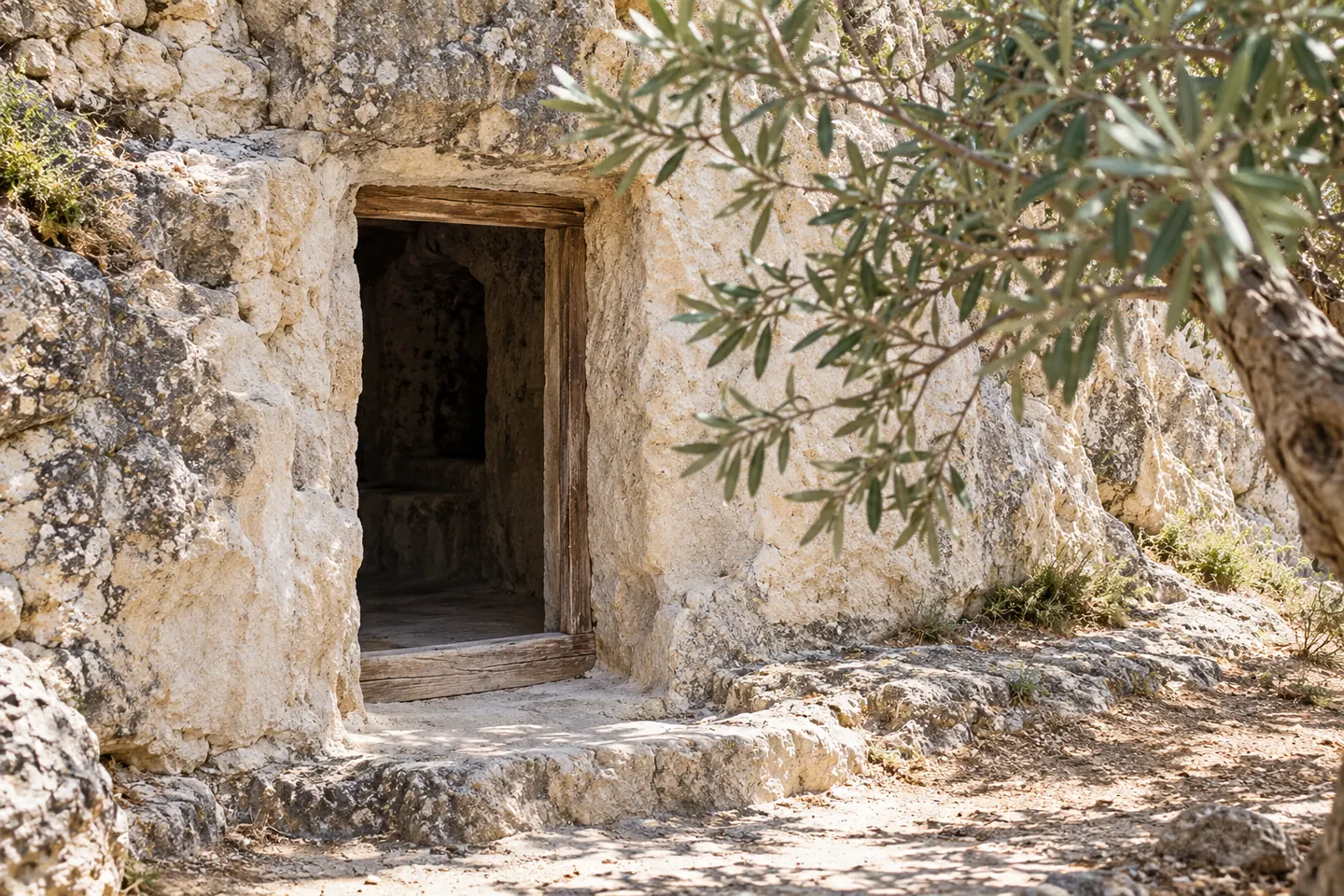
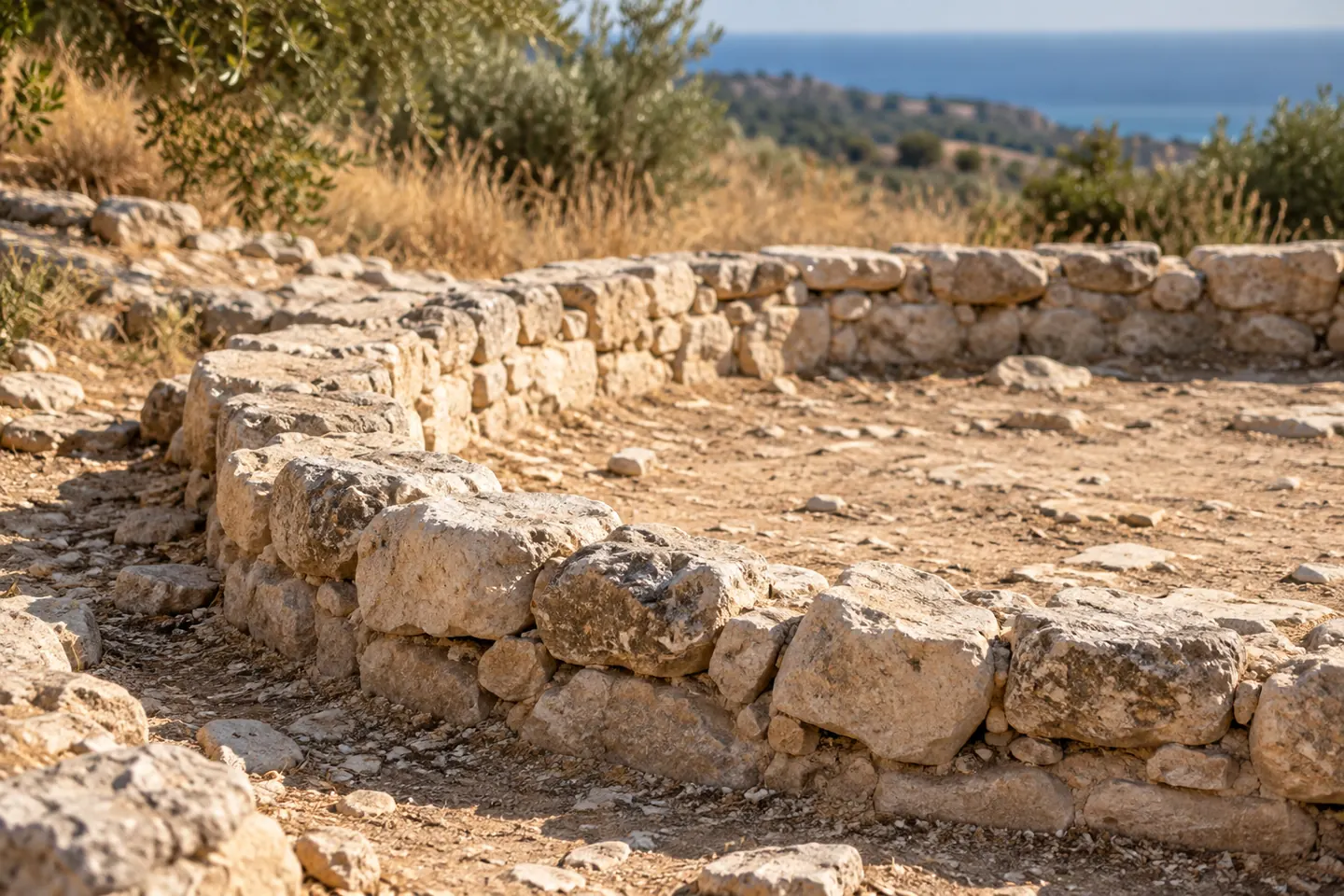
The excavated structural remains document the original settlement. Nearby stand five reconstructed roundhouses that make the building methods and spatial impression easier to understand. The reconstructions contain replicas of objects based on archaeological finds. They are therefore interpretive aids, not completely preserved Neolithic houses.
This distinction matters for photographs and memories. A photograph of the reconstructions shows how certain aspects of life are illustrated, while the excavation preserves the material evidence. First look at which features are explained, then compare them with the hillside foundations. The two areas complement one another and keep the visit historically understandable. Use only approved paths and do not sit on walls.
An understandable walk guided by a few questions
Start with the overview and information about the site. The reconstructions can help you develop a sense of scale and building methods. Afterwards, you can examine the hillside more purposefully. A fixed sequence matters less than connecting what you have read with what you actually see. Follow the signposted route as you go.
- Look at the chronology and site plan.
- Examine the roundhouses and their different elements.
- Explore the settlement remains along approved paths.
- Use the explanations to understand unclear details.
- Finish by considering what can be learned about everyday life and community.
A walk does not need to cover every information panel in equal detail. Choose a few questions that interest your group and give them enough time.

Time needed, heat and accessibility
As an editorial planning guideline, around one and a half to two hours makes sense if you want to read the explanations and examine both areas carefully. Actual duration depends on interest, temperature and walking ability. A brief stop while passing through generally does the place less justice. Check current opening hours and entry conditions before departure rather than inferring access from older travel reports.
On the hillside, sunshine and gradients can make the visit strenuous. Water, a hat and supportive shoes are sensible. Visit Cyprus notes that the hillside itself is not wheelchair-accessible, while the reconstructed houses area can be visited. Clarify the specific access and assistance required beforehand. If some group members do not climb the hill, agree a meeting point and waiting time together.
With children: start from their own home
For children, asking about homes can be a good starting point. How large is a room? Where might people have worked or stored things? How does it differ from their own home? Such comparisons make the site more understandable than a long list of dates. Keep answers tied to the available explanations and present guesses as questions.
The excavation is not a climbing area. Before the walk, explain why walls and barriers must be respected. Also plan a break outside sensitive areas. Cyprus with children offers general advice on combining culture and relaxation. For many families, a shorter visit with a few well-understood observations is more valuable than trying to work through every piece of information.
Lefkara or a village visit as an addition
A village visit inland provides a contrast to the prehistoric settlement. Lefkara, with its lace-making and silversmithing, combines lanes and living craft traditions. This combination is interesting because it reveals very different periods and forms of everyday life. Allow enough time for the journey and a proper lunch break.
A craft demonstration should be arranged in advance. It is not automatically included in a stroll through shops. If your main interest is Choirokoitia, you can keep the extra stop shorter or omit it altogether. A pleasant day does not require visiting every destination within reach. What matters is having time to understand the excavation rather than immediately rushing to the next appointment.
Include Choirokoitia in an island itinerary
Its location makes the site a possible stop on journeys between the southern coastal regions. Even when starting from Larnaca or Limassol, you should allow a dedicated block of time. Changing accommodation with luggage can complicate matters, as the visit, parking and onward journey must be coordinated.
On a transfer day, choose a limited visit and leave room for delays. For a longer trip, the suggested 14-day Cyprus itinerary can help spread culture and relaxation over several days. Choirokoitia then becomes an understandable historical part of the journey, rather than just another name on a list of archaeological destinations.
Frequently asked questions: Choirokoitia
Are the round houses at Choirokoitia preserved originals?
The five illustrative round houses are reconstructions based on the excavation findings. They complement the settlement's original remains and help explain construction methods and everyday life. Distinguish the two areas during your visit. The reconstructions are an interpretive aid, not fully preserved Neolithic homes.
Is Choirokoitia wheelchair accessible?
The official tourism information describes the hillside settlement as unsuitable for wheelchairs. The reconstructed houses area, however, can be visited. Clarify the exact route, drop-off arrangements and necessary assistance in advance. Limited walking ability must be considered so everyone can prepare for a suitable itinerary.
Is Choirokoitia worthwhile without prior archaeological knowledge?
Yes. Questions about housing and living together make the site easy to understand. Use the site plan, explanations and reconstructions to interpret the remains. Allow enough time and avoid visiting in the greatest heat. A focused walk with a few guiding questions can already provide a clear impression.
Sources and further information
Editorial update: . Check opening hours, access and transport connections with the relevant authorities before visiting.