Varosha is a district of Famagusta whose long-closed area became a symbol of Cyprus's division. Parts have been made accessible to visitors since October 2020. This means neither full opening nor free access to abandoned buildings. To visit Varosha, understand its history, check current access conditions and use only authorised routes. Plan it as a contemporary-history visit with room for reflection. The common portrayal of a city completely unchanged since 1974 falls short: decay, interventions and partial opening have also shaped its current appearance.
What Varosha is and why it moves visitors
Before 1974, Varosha was an inhabited district and important holiday resort. During the events of summer 1974, residents fled; the area was then sealed off. Behind today's visible hotels, homes and shops are life stories and lost homes. This fundamentally distinguishes a visit from an ordinary tour of ancient ruins.
The term “ghost town” describes an impression, but does not explain the political and personal background. To understand the place, view it as part of Cyprus's recent history. Avoid imagining a film set existing solely for unusual photographs. A quiet walk with factual explanations helps connect visible buildings with the wider context without inventing unsupported stories from individual façades.
Partial opening since 2020: what it means
In October 2020, the European Union documented the opening of part of the previously fenced-off area and expressed serious concerns. Further steps were also the subject of international statements. Opening to visitors is therefore part of a politically disputed development, not a final resolution of property and return issues.
For practical planning, distinguish the authorised visitor area from the whole district. An accessible street does not mean its buildings may be entered. An older map also cannot show which routes are currently open. Learn the rules applying on site before visiting and follow instructions at the entrance. Routes may change; a firmly promised photograph at a specific spot is therefore not a sensible benchmark.
What visitors can see – and what cannot be promised
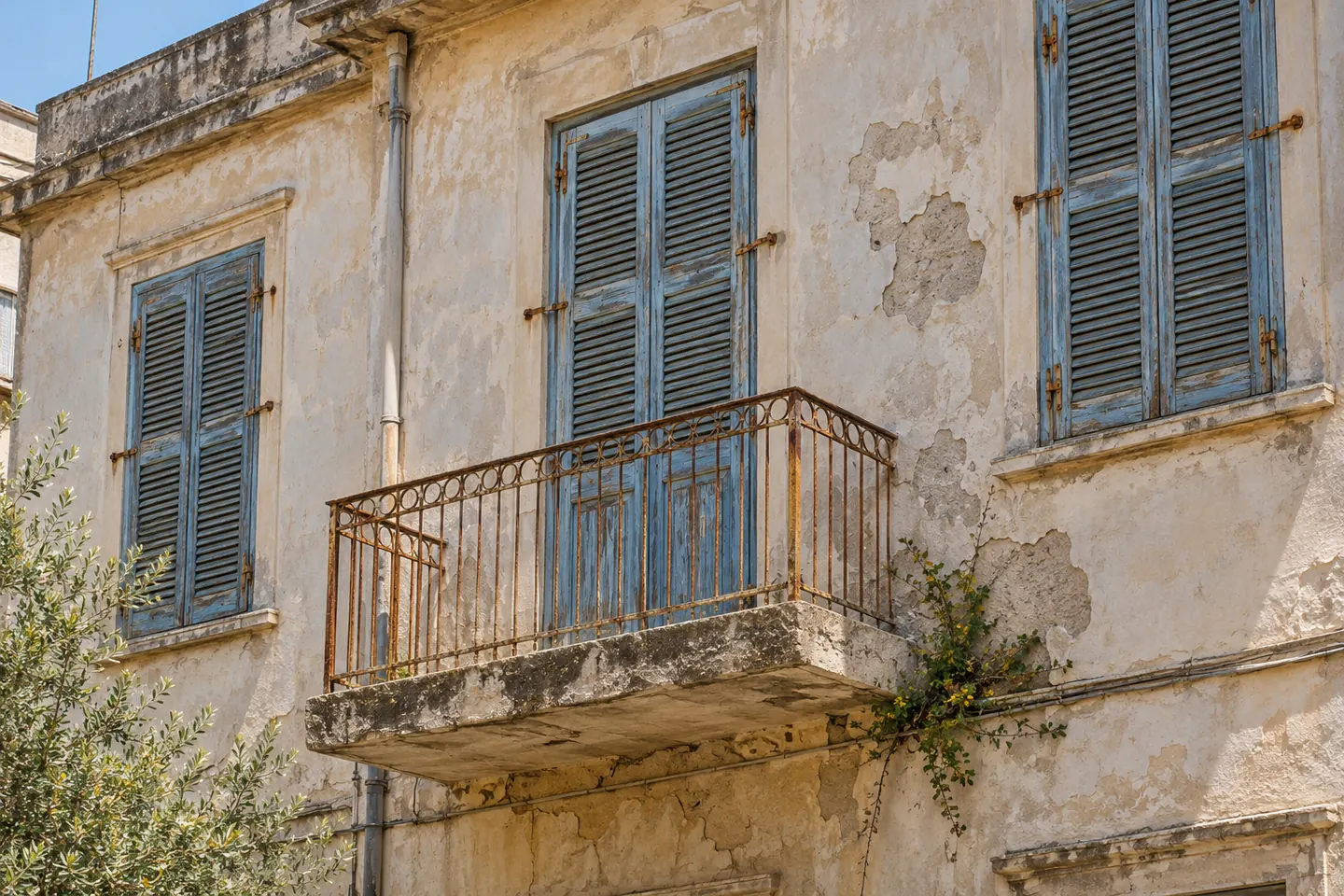
On permitted routes, you can see parts of the streetscape and the exterior appearance of formerly used buildings. Which sections are visible and reachable depends on the current visitor area. Do not expect unrestricted city exploration with entry to hotels, homes or shops. Closed doors, fences and barriers remain boundaries even if others crossed them in photographs.
The widespread claim that everything has remained exactly as it was in 1974 is misleading. Over decades, weather, decay and interventions change an environment; partial reopening brings further changes. Do not treat unverified claims about abandoned belongings or former celebrity guests as established history. Verifiable information about the district’s use, displacement and later political developments is more informative.
Time needed, routes and personal requirements
For a first visit, a separate block of around two to three hours, including access, orientation and breaks, is a useful personal planning allowance. The right duration depends on how far you wish to walk and how deeply you want to explore the background. A longer stay is not automatically more meaningful; a clear framework and enough unhurried time matter most.
Expect exposed, sunny stretches and bring water, a hat and comfortable shoes. Check current places to pause and the usable route, especially if mobility is limited. Do not assume any long route can be shortened at any time. Agree on a clear return point within your group. For children, a shorter visit with an age-appropriate explanation may suit better than an extensive walk.

Photograph respectfully and observe boundaries
Photographs can preserve impressions. What matters is taking them from permitted areas without breaching local prohibitions. Military facilities and controlled areas are not photographic subjects. Follow signs and ask the responsible people on site if unsure. Do not climb barriers or enter buildings for a special angle.
The kind of image matters too. A place where people lost their homes deserves restraint. Staged scenes mocking decay or displacement do not suit the visit’s character. Leave objects and materials where they are and respect visible private spaces. A good souvenir photograph can convey the atmosphere without turning other people’s life stories into scenery.
Combine Varosha and Famagusta old town sensibly
Famagusta’s old town offers a different historical focus: fortifications, medieval architecture and present-day city life. Combining it with Varosha can help you see the city in a more nuanced way. Plan the two areas as separate visits with their own access and a break between. The phrase “Famagusta tour” should not obscure the different routes and themes.
Choose a few focuses for the old town. If Varosha is the main reason for your trip, you need not also visit every monument. Conversely, an extensive old-town day can end with a shorter, well-contextualised Varosha visit if current times and access allow. Do not automatically add further distant destinations. After an intensive walk through recent history, a quiet return is often more pleasant than another tightly scheduled activity.
Check the right information before setting off
Check current visiting hours, access points and required documents shortly before travelling. Arriving from the south also involves the controlled Green Line crossing and, where applicable, your rental car’s conditions. Current German Federal Foreign Office travel advice helps with general preparation; local access rules for Varosha must be confirmed separately.
An old opening-hours list or personal account does not answer these questions reliably. Keep an alternative focus in Famagusta ready for changes. If travelling with a guide, discuss how much historical context you want and what walking distance is comfortable. Good preparation here means clear expectations: a partly accessible, politically sensitive district with visible traces of the past and access that must not be equated with unrestricted exploration.
- Confirm the currently authorised visitor areas and access.
- Coordinate walking distance, breaks and return time.
- Check travel documents and, if applicable, vehicle conditions.
- If restrictions apply, switch to a prepared focus in Famagusta.
Frequently asked questions: visiting Varosha
Can you explore Varosha freely today?
No. Since 2020, parts of the long-sealed area have opened to visitors, but this does not mean free access to the whole area or buildings. Use only currently authorised paths and follow local instructions. Check the specific access conditions shortly before your visit because rules and usable sections may change.
Has everything in Varosha remained unchanged since 1974?
No. This common phrase is too sweeping. Buildings and streets have changed through weather, decay, interventions and later developments. Visitor areas have also been established since the partial reopening. View the place not as a completely unchanged snapshot but as an urban district whose history has continued since 1974.
Is a visit with children worthwhile?
It depends on age, interests and the planned walking distance. Explain the history factually and appropriately for their age, avoiding a frightening ghost-adventure presentation. A short, well-guided walk may convey more than a long stay in the heat. Plan water, breaks and a quiet activity afterwards.
Sources and further information
Editorial update: . Check opening hours, access and transport connections with the relevant authorities before visiting.
- Council of the European Union: statement on the partial reopening, October 2020
- Council of the European Union: statement on Varosha, July 2021
- UNFICYP: report of the UN Secretary-General, July 2025
- UNFICYP: information on the buffer zone and Varosha
- German Federal Foreign Office: Cyprus travel and safety advice