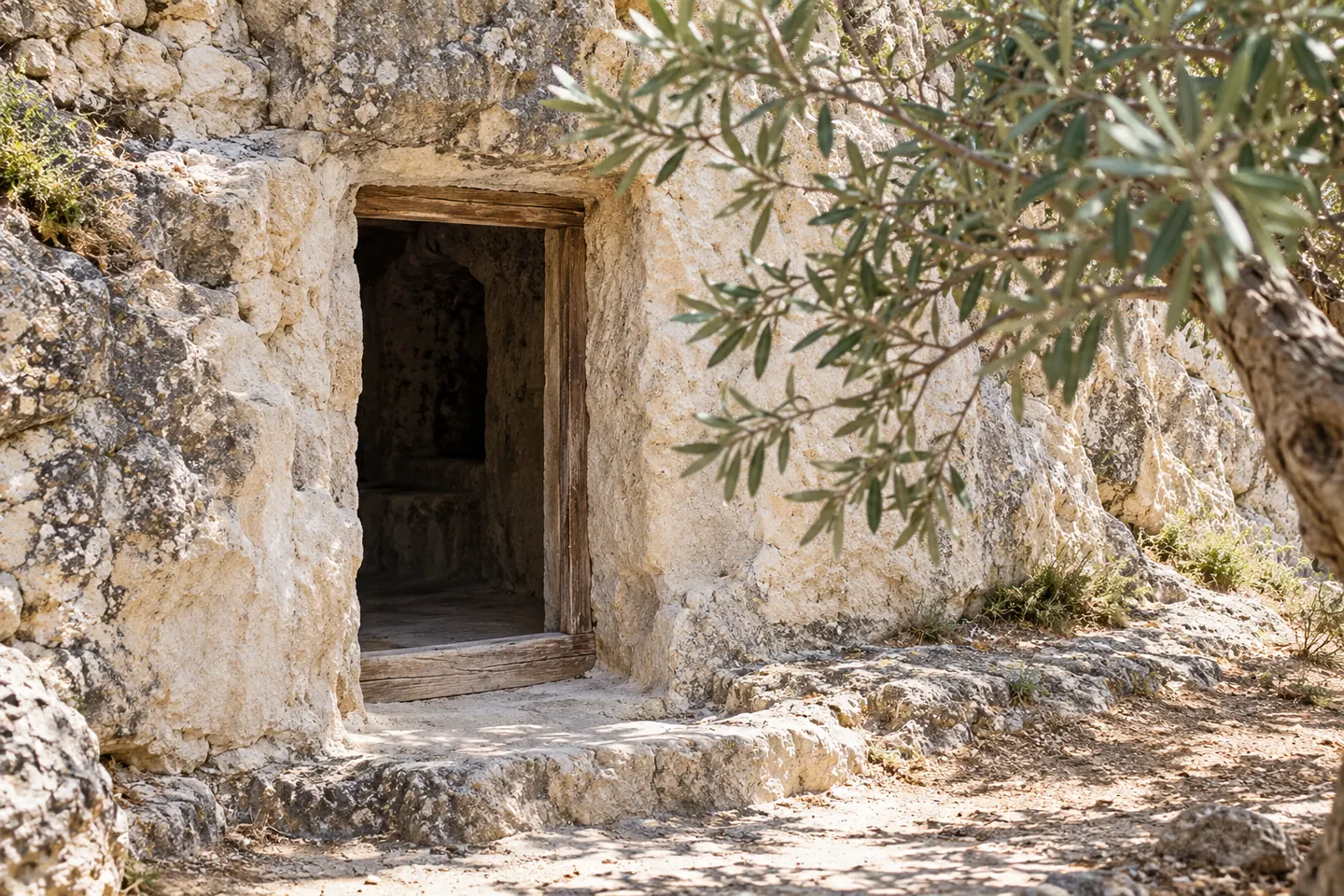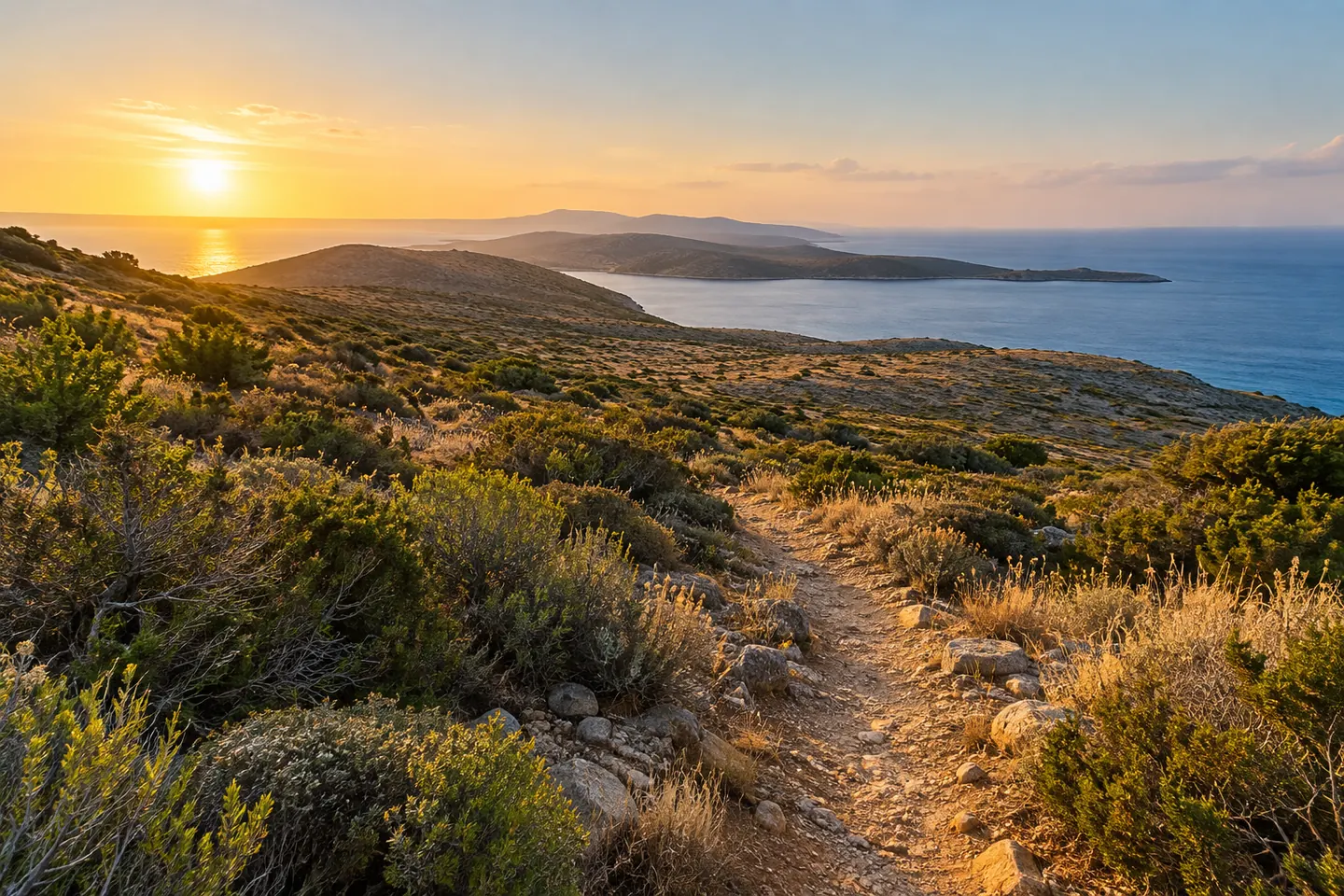

Lara Beach is a nature destination on the western side of the Akamas Peninsula and part of a coastal region of particular importance to sea turtles. A visit is worthwhile for the landscape and insight into conservation, not for a guaranteed wildlife sighting. Plan a short, well-prepared visit in daylight and follow signs and conservation rules. Lara is not an ordinary beach where you can freely choose to set up camping equipment or umbrellas. Clarify the access route and the specific bay you will visit beforehand; current restrictions take precedence over older travel reports.
Which bay does Lara Beach refer to?
Lara encompasses different points along the coast. The Inia-Lara Turtle Museum distinguishes the southern bay of Lara, also called Loura, from the northern bay of Ammoudi. There is also a turtle conservation information area there. If you simply enter Lara Beach into navigation, check which specific destination is selected and whether the suggested access route is currently suitable.
This distinction also helps when reading reports: photographs, directions and references to facilities may concern different bays. Always compare a location listing with current signs. For the wider landscape context, read our overview of the Akamas Peninsula. Treat the visit as a nature outing whose schedule is determined by the accessible areas.
Take the applicable conservation rules seriously
On 21 August 2026, Cyprus’s Department of Fisheries explicitly reaffirmed the seasonal rules for Lara–Toxeftra: from 1 June to 30 September, umbrellas, sun loungers, tents and caravans may not be placed there. During this period, being on the beach is also prohibited from one hour before sunset until one hour after sunrise. In addition, follow all local notices and additional barriers.
Therefore, do not plan a sunset visit during this protection period, and do not bring an umbrella as a supposedly harmless solution to the heat. Instead, choose a shorter stay and suitable clothing. Other visitors ignoring rules does not make that behaviour permissible. Current signage is part of visit planning and should be read carefully before unpacking.
Observe turtles without influencing their behaviour
Wild animals do not appear according to a visitor timetable. Marked nests do not mean hatchlings will be visible during your stay. Keep your distance from protective markings, do not enter cordoned-off areas and do not dig in the sand. Animals, eggs and hatchlings must not be touched or moved for photographs. Conservation teams’ work is not an open-access demonstration.
Explain to children before arrival why a beach visit can be interesting even without seeing a turtle. The shape of the coastline, sand and tracks can be observed from permitted areas. For a specific photograph, staying at a normal distance and zooming is better than approaching. Do not feed animals or block their path. If you notice an unusual find, inform the responsible staff instead of attempting a supposed rescue yourselves.

Getting there: check conditions and permission before departure
Access to Lara may involve rural roads and partly unpaved tracks. Conditions, passability and permissions can change. Therefore, clarify the current route and, with a hire car, explicitly check permitted road types. A navigation app checks neither your rental contract nor ground conditions. Do not follow a suggested shortcut through vegetation or onto the beach.
Park only where permitted and keep access points clear. Allow time for the final walk and return journey. If staying in the Coral Bay area, consciously recognise the difference between an organised sandy bay and a protected area. If access conditions are unclear, choosing another day or an alternative destination is sensible.
What to bring for a short nature visit
Water, a sunhat, light covering clothing and sturdy shoes for the approach are useful. Plan so that a lack of supplies does not force an unplanned extension of the journey. A small bag is more practical than equipment for a full beach day. Take rubbish away with you and avoid loose objects that wind could carry into the protected area.
Families should choose the duration and return route according to their children’s stamina. A natural beach is not a suitable place to compensate for missing shade with a prohibited improvised structure. For longer breaks, find a permitted place outside sensitive areas. The general Cyprus packing list helps distinguish beach and hiking equipment and avoid unnecessary luggage.
Museum and other alternatives in heat or difficult access conditions
If you want to learn more about turtles, consider visiting the Inia-Lara Turtle Museum. Confirm opening and access beforehand. An exhibition allows you to understand their way of life and conservation work independently of a chance animal encounter. This is particularly useful for children who expect clear explanations at the beach but should not remain in the sun for long.
For a day with more accessible facilities, the Polis and Latchi area is an alternative. There, the focus is on the town, harbour and ordinary coastal visits. Choose an alternative according to your group’s actual needs: scenery, learning or swimming. Not every interest must be met in the same place and during a single excursion.
Combine Lara and Akamas without overloading the day
Limit an outing to a few clearly defined destinations. A long coastal drive, several bays and an additional hike can take far more time and energy than a map suggests. It is especially important to consider current closures: at the time of research, the official tourism information listed Avakas Gorge as temporarily closed. Therefore, do not automatically plan it as a walk afterwards.
A good day at Lara does not need a nonstop schedule of highlights. It can consist of the journey, careful reading of conservation information, a short stay in permitted areas and a later break outside the protected zone. In this way, the visit remains informative and nature does not become a backdrop for a programme that ignores its limits.
Frequently asked questions: Lara Beach Cyprus
Are you certain to see turtles at Lara Beach?
No. The animals live freely, and sightings cannot be promised. Even visible nest protection does not mean hatchlings will emerge during your visit. Respect markings and keep your distance. For reliable information on biology and conservation work, an arranged museum visit is often better than expecting an animal encounter.
May you put up umbrellas at Lara Beach?
According to the official announcement of 21 August 2026, this is prohibited in the Lara–Toxeftra protected area from 1 June to 30 September. The same applies to sun loungers, tents and caravans during this period. Also read local signage. In hot weather, plan a shorter visit rather than bypassing the prohibition.
Is Lara Beach suitable for an ordinary hire car?
There is no general answer. The chosen access route, current road conditions and rental company’s terms are decisive. Check these beforehand and avoid unclear shortcuts. A vehicle’s suitability alone does not replace permission to drive there. If uncertain, consider another coastal visit or a museum.
Sources and further information
Editorial update: . Check opening hours, access and transport connections with the relevant authorities before visiting.