Cyprus in November is particularly worthwhile for travellers who value culture, walks and relaxed discovery more than guaranteed beach days. Choose accommodation whose surroundings suit your everyday needs outside peak season too, and keep both indoor and outdoor activities ready. A bright seaside afternoon can be delightful, but does not imply a beach holiday with the same routine every day. Shorter days make regional excursions especially sensible. With a few fixed appointments, accessible restaurants and a separate plan for inland areas, your trip stays varied without depending on the weather.
Who benefits from a November trip?
If you enjoy in-depth sightseeing, café breaks and a week that is not spent entirely on the beach, November may suit your travel style. If you expect a full summer programme at your hotel, ask particularly carefully. A low room price alone says little about the services actually available.
Official tourist information describes the month as offering outdoor activities and cooler evenings. The specific week remains decisive. Ask two questions before booking: would I like this place without a daily beach visit, and do I have enough interesting options in changeable weather? Comparing it with Cyprus in winter helps set appropriate expectations.
November temperatures: coast, capital and mountains
Historical monthly averages from the WMO World Weather Information Service, using data from the Cyprus Department of Meteorology, provide regional context. The following selection applies to November in the reference period 2002–2011. It shows averages of daily maximum and minimum temperatures, not all-day average temperatures.
| Place | Average daily maximum | Average daily minimum |
|---|---|---|
| Larnaca (coast) | 23.4 °C | 12.9 °C |
| Nicosia (inland) | 22.6 °C | 10.6 °C |
| Prodromos (mountains) | 13.5 °C | 6.6 °C |
These historical comparison values are neither a current climate normal period nor a weather forecast for your holiday. They apply to the named locations and should not be generalised to the whole island. A mild coastal afternoon does not translate to a mountain day. The historical differences support layered clothing and regional weather checks; they do not predict whether your particular November week will be warm, rainy or windy.
Accommodation becomes an important planning decision
Check whether restaurants, lounges and desired facilities are open during your stay. If a heated pool matters, you need specific confirmation; a reference to an outdoor pool is not enough. Heating, room location and access to reception may also matter for a quieter stay.
A city base may offer more options on foot, but should also be judged by its exact address. A hotel on the outskirts is not automatically central just because the town name matches. Look at routes to restaurants and bus stops. For choosing a western or southeastern base, Paphos or Larnaca provides a useful comparison.
Visit cultural destinations with time for what matters
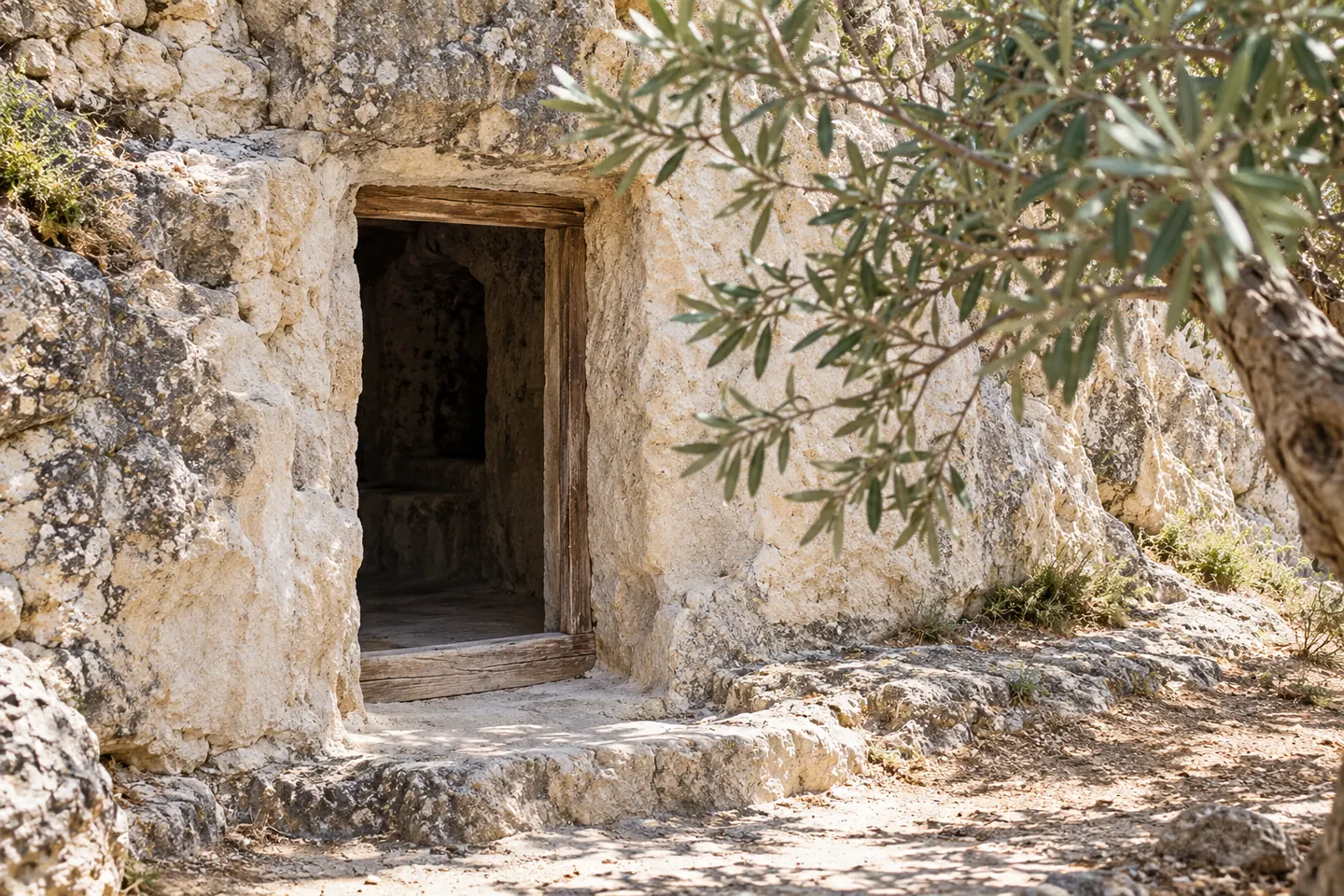
In Paphos, the archaeological park makes a suitable focus. A museum and city day in Nicosia, by contrast, lets you explore different periods together. Choose a few topics you want to learn more about. Good sightseeing needs a coherent sequence rather than as many admission tickets as possible.
Choose Nicosia's sights according to your interests. Check openings and possible closing days. Crossing the Green Line requires extra preparation and should not be casually added to an already full programme. Even without it, a day in the capital with a museum, old town and meal break can be well filled.

Enjoy the coast even when swimming is not the focus
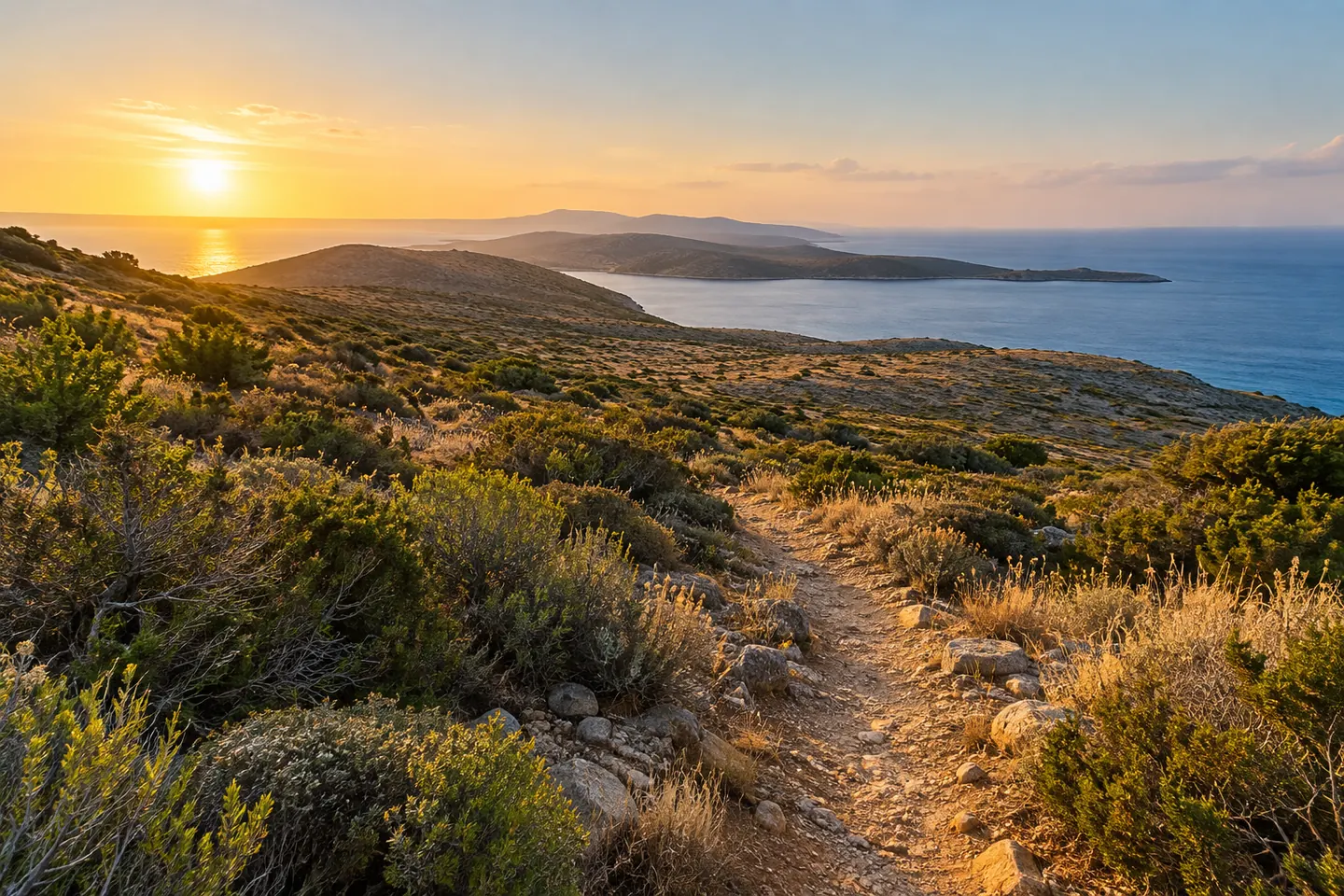
A coastal day can consist of a walk, a leisurely lunch and short periods by the water. Choose a route that can easily be shortened and does not depend on one single return connection. A beach visit need not last all day or involve swimming.
In rough seas, heed warnings and stay on safe paths. Do not step onto unprotected rocky ledges simply for a photograph. Seasonal beach services may be limited; bring water and an extra layer. If you want to swim, assess conditions and personal comfort on site. Boat trips also depend on wind, sea state and the services actually operating.
Plan village and mountain days locally and early
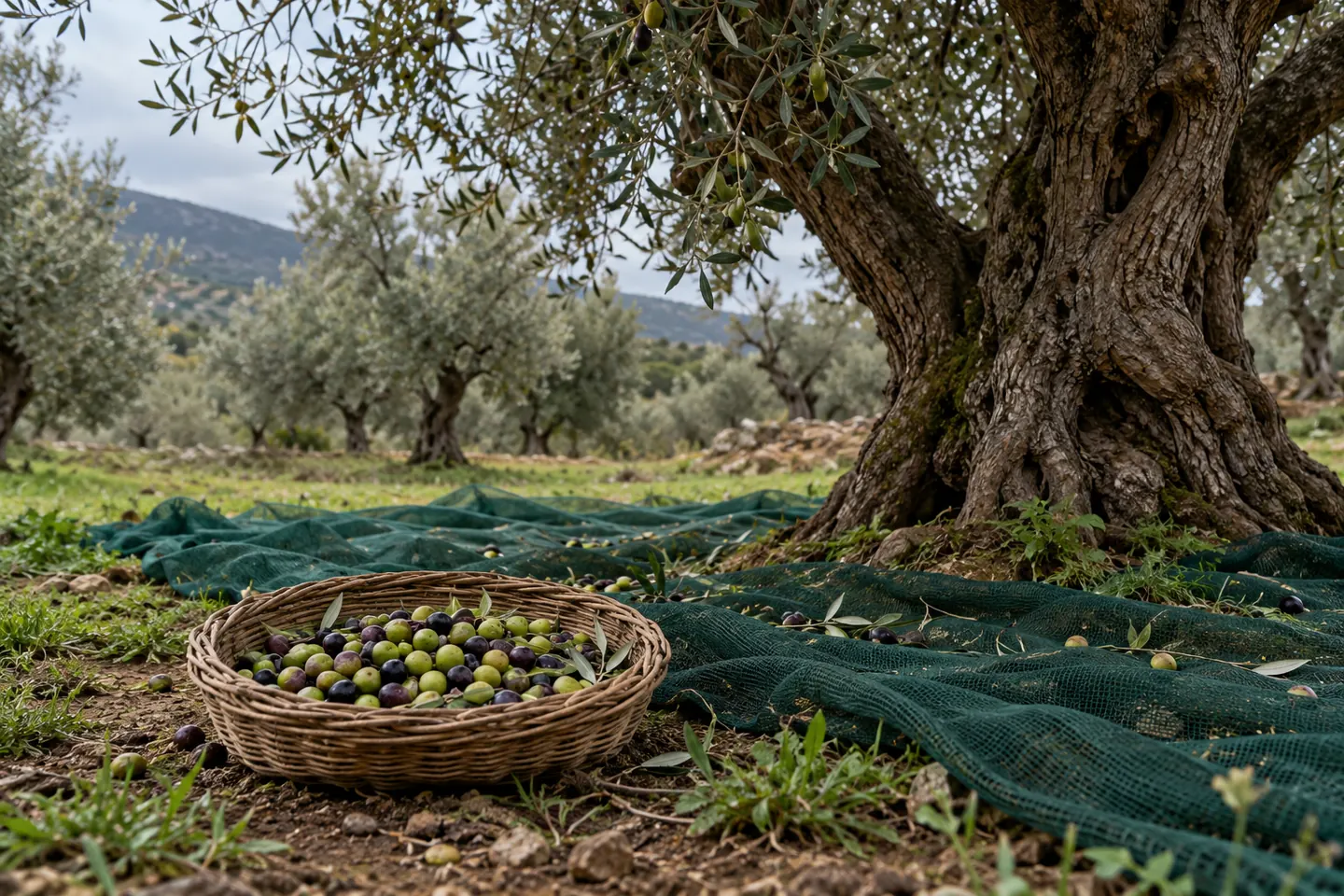
A village visit can be especially well suited to a quiet November trip. Choose a place with a specific theme, such as crafts in Lefkara or wine traditions in Omodos. Arrange desired visits beforehand. Small businesses and religious buildings do not automatically share the opening hours of the nearby coastal town.
For higher destinations, check weather and road conditions separately. Plan the main visit during daylight and allow time to return. The selection of Cypriot villages by location and theme helps create a manageable route. A good midday visit in one place can be more fulfilling than a long loop across several unfamiliar mountain roads.
Choose specific rainy-day alternatives before travelling
Note two or three indoor destinations in your own region, including the day of the week and how to get there. A museum, suitable exhibition or arranged producer visit can fill a day well. The Cyprus in the rain travel guide helps you choose. Always check that the particular destination is accessible on your date.
Make switching between outdoor and indoor programmes as easy as possible. If the only alternative is at the other end of the island, it is not very useful for a spontaneous rainy day. A longer restaurant visit can also be a worthwhile holiday experience. Prepare such options without treating every wet day as a problem. If severe weather is forecast, local warnings take priority over excursion plans.
Put together a relaxed November week
For a week, a useful starting point is one base with three prepared excursion ideas: culture, village and coast. Leave two further days open, while deliberately keeping arrival and departure days light. Adapt this structure to your flight schedule and avoid unnecessary daily packing.
Choose layered clothing, grippy shoes and weather protection. Decide the evening before which activity makes sense the next day. Fixed appointments keep their place; flexible walks can move. For longer excursions, count not just driving time but parking, food and the return route. Prefer one reachable main stop with spare time to several destinations that work only if everything goes perfectly.
Frequently asked questions: Cyprus in November
Can you still swim in Cyprus in November?
Swimming may be possible on suitable days, but should not be the sole basis of the trip. Wind, waves, how the water feels and available beach services all interact. Choose accommodation where you will feel comfortable on cooler days too. An explicitly confirmed heated pool may be useful if regular swimming matters to you.
Are Cyprus's sights open in November?
Many cultural destinations operate year-round, but opening hours, closing days and seasonal schedules vary. Individual facilities may also close for works or events. Check official information shortly before every important visit. A general statement of year-round operation does not replace checking your specific date and weekday.
Is a November holiday in Cyprus automatically cheaper?
No. Prices depend on flights, accommodation, demand and included services. Compare the complete offer, including luggage, travel to the hotel and facilities actually available. A low base price may be of little benefit if you need extra journeys or important services are missing. A reliable decision requires specific offers for your dates.
Sources and further information
Editorial update: . Check opening hours, access and transport connections with the relevant authorities before visiting.
- Visit Cyprus: climate and seasonal activities
- Visit Cyprus: Kato Paphos Archaeological Park
- Visit Cyprus: Cyprus Museum in Nicosia
- Visit Cyprus: Omodos
- German Federal Foreign Office: Cyprus travel advice
- WMO World Weather Information Service: Larnaca, monthly averages 2002–2011
- WMO World Weather Information Service: Nicosia, monthly averages 2002–2011
- WMO World Weather Information Service: Prodromos, monthly averages 2002–2011