Alongside its beaches, Ayia Napa offers a compact cultural programme: the historic monastery in the centre, the Thalassa Museum, the sculpture park and the small harbour. These sights can form a varied holiday day if you allow for walking distances, summer heat and breaks. For a first visit, a combination of a museum, a stroll around town and a stretch of coast works well. Cape Greco complements the programme as a separate nature excursion. This travel guide helps you choose suitable sights and shape your day around your interests and fitness.
Monastery and town centre: Ayia Napa's historic side
The medieval monastery stands on Ayia Napa's central square, a striking contrast to the modern holiday resort. It is a useful landmark for your walk. First view the complex from outside and notice how the square sits within the town today. Even if interior areas are closed or only partly accessible, this stop can be combined with a stroll through the centre.
Try to visit in the morning. You can then adjust the rest of the day to the temperature and your interests. Appropriate clothing is advisable for areas used for religious purposes. Ask about local rules before taking photographs indoors. A café stop fits well; the square need not be merely a quick photo stop between several long drives.
Thalassa Museum: the sea as part of the island's history
The Thalassa Museum explores the relationship between Cyprus and the sea. Its well-known exhibits include Kyrenia II, a full-size replica of an ancient merchant ship. The museum explains why trade, the coastal setting and shipping have shaped the island. It thus offers a different perspective from a beach-only day.
Allow for a leisurely visit rather than a quick walk-through. With children, a specific question helps: how did people transport goods before modern cargo ships? Adults can connect the exhibition with archaeological places elsewhere on their trip. Check opening days and admission directly with the museum, especially on public holidays. A museum visit is also a good alternative when strong winds prevent a planned boat trip.
Combine the sculpture park and coastal landscape sensibly
In the sculpture park, contemporary art meets the open landscape above the sea. Unlike an indoor museum, light, wind and temperature influence the quality of the visit here. Select a few works instead of trying to tick off every part of the site on a fixed schedule. The adjoining area of Mediterranean plants complements the walk.
Softer morning or late-day light is best for photographs. At midday, shade is limited and pale stone surfaces can intensify the heat. Bring water, a hat and sturdy shoes. Nearby coastal rocks are not viewing platforms with guaranteed fall protection: stay on recognisable paths, keep away from edges and do not climb over barriers for photographs.

Harbour, Makronissos and Cape Greco: which addition suits you?
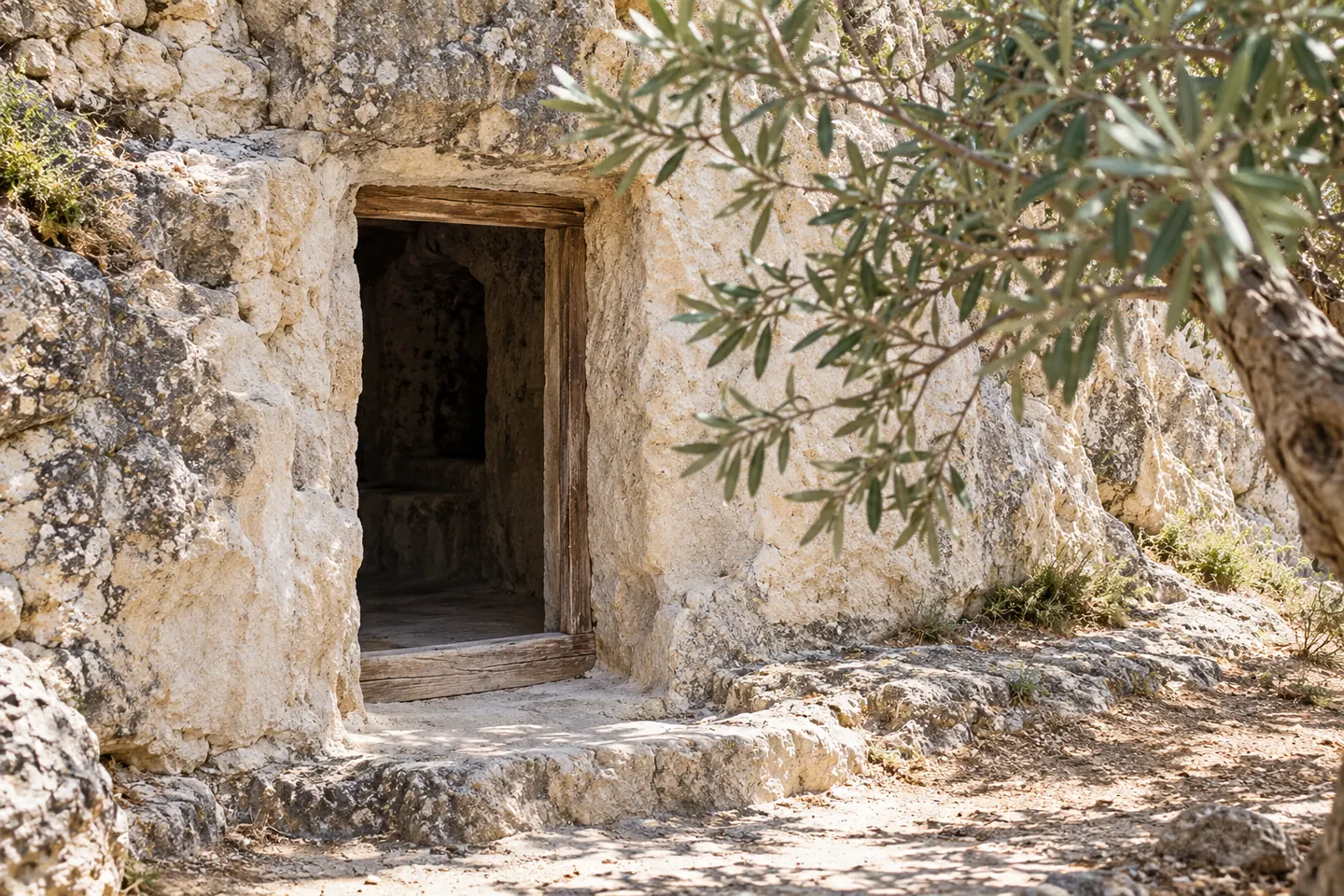
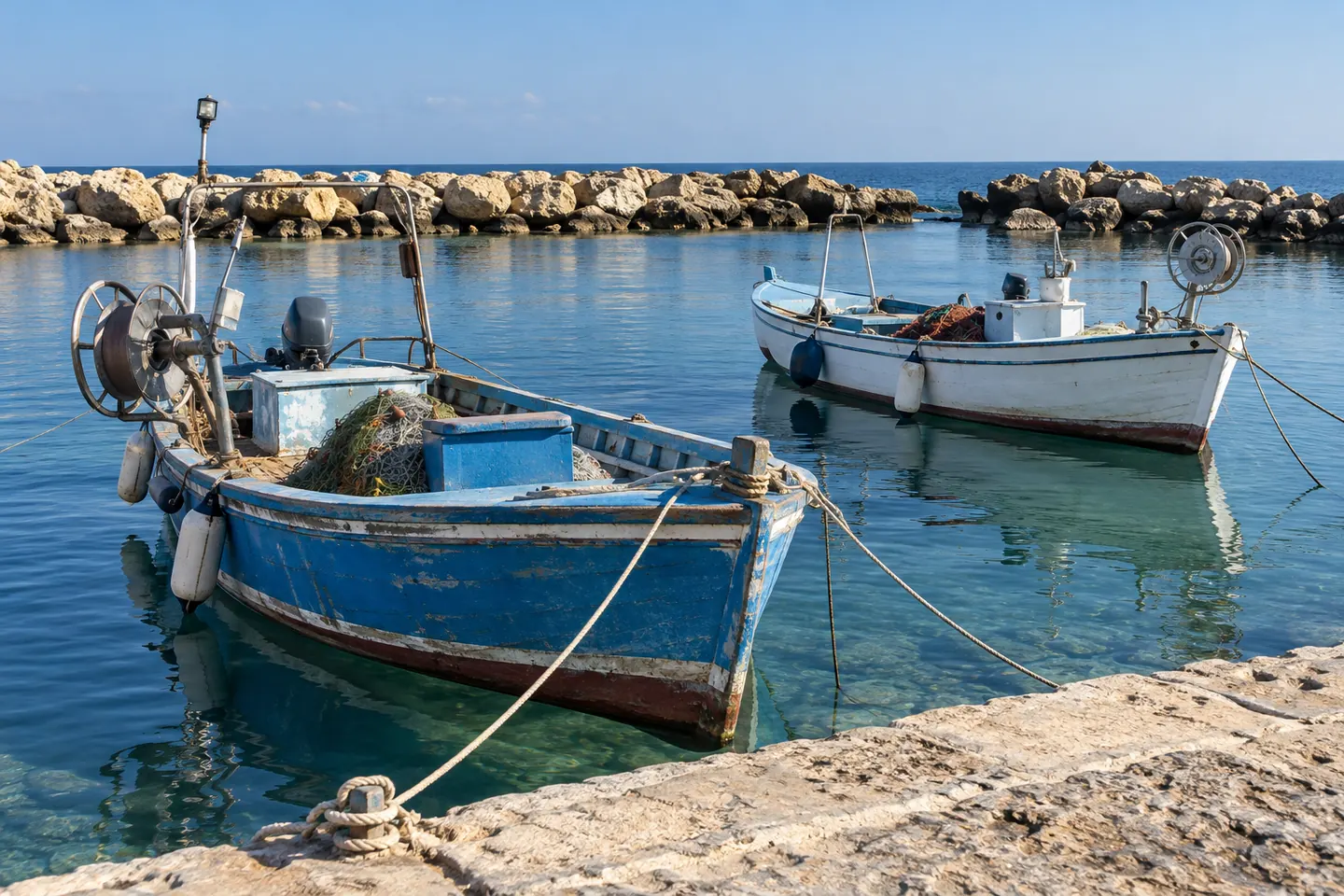
The harbour suits an easy stroll with views of boats and coastal life. Those wishing to explore history further can instead include the archaeological tombs of Makronissos. The tombs date from the Hellenistic and Roman periods. Check current access before making a special journey.
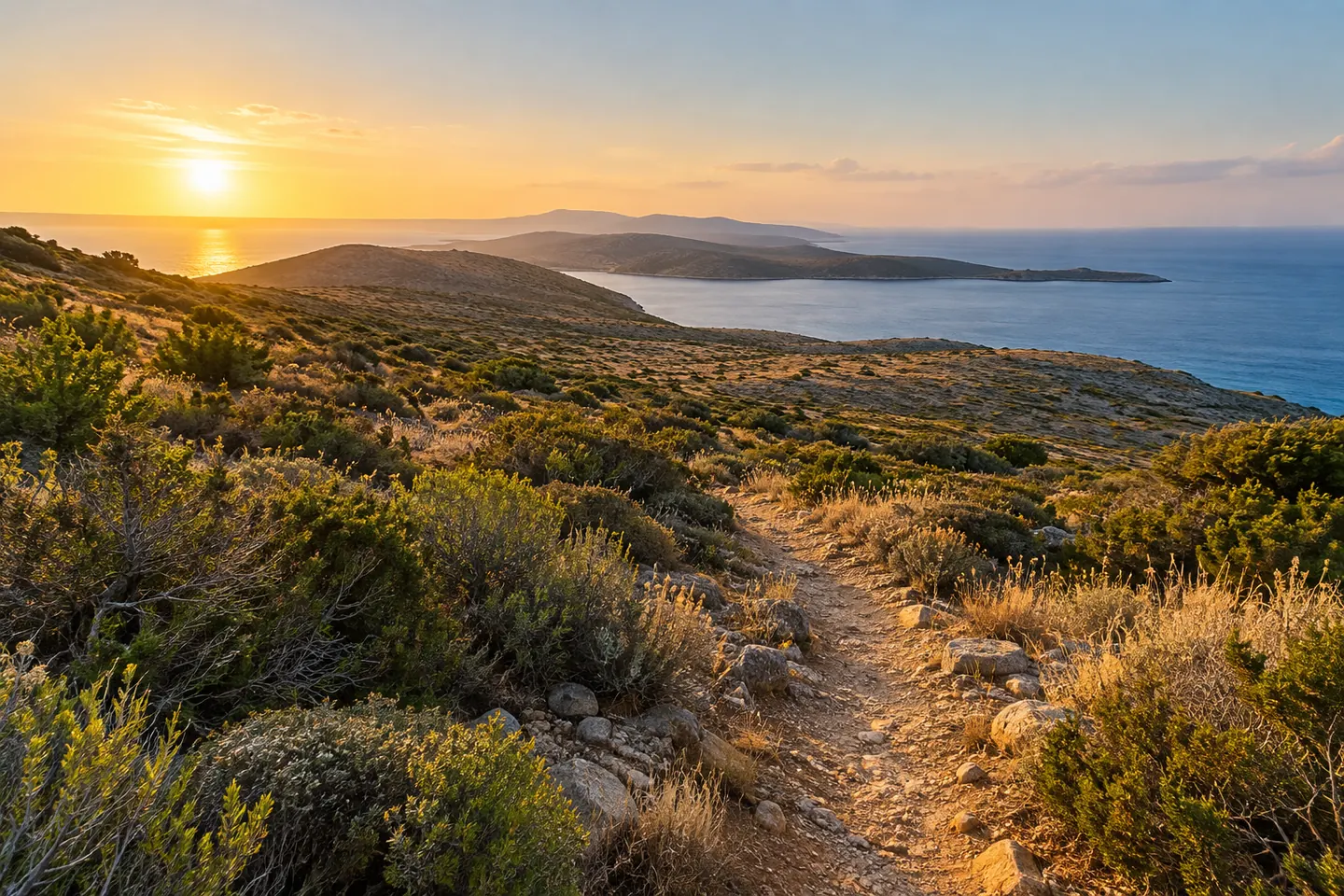
For nature lovers, Cape Greco and its coastal paths are the obvious addition. The area is not a single photo spot, however: bays, chapels and viewpoints involve extra walking between them. Choose either a longer cultural morning with the harbour or a shorter town visit with selected nature stops. This leaves time to truly take in the landscape.
A day plan with room for breaks
The following sequence is a planning suggestion and can be rearranged according to opening hours. It does not require a fixed start at a particular time. What matters is placing more demanding outdoor walks in a more comfortable part of the day and avoiding spending the whole day out in the midday heat.
- Start in the town centre at the monastery and get your bearings in the square.
- Visit the Thalassa Museum if it is open that day.
- Allow time for lunch and a longer seated break.
- Then choose the harbour or the sculpture park.
- Add another coastal stop only if there is enough time.
If you are already staying in Ayia Napa, you can spread the programme over two mornings. If travelling from another resort, keep the outward and return journeys clearly included in your day's plan.
For families, photographers and visitors without a rental car
Families benefit from short stages and alternating viewing, walking and resting. One museum plus one outdoor area is often enough. A continuous route along uneven coastal paths is not automatically suitable for pushchairs; check the specific section on site. Anyone who struggles with longer walks should not assess distances between sights solely by how close they appear on an overview map.
Without a rental car, central sights can be linked on foot. For more distant stops, buses, taxis or organised transfers may be options, depending on current availability. Clarify return options before setting off. Photographers should plan fewer subjects in good light rather than many changes of location. Our comparison Ayia Napa or Protaras explains further differences between the two resorts.
For outings beyond the immediate town area, Excursions from Ayia Napa shows when a short coastal visit or a dedicated cultural day makes sense.
Families will find a dedicated look at accommodation location, the Thalassa Museum and short discoveries in Ayia Napa with children.
Frequently asked questions: Ayia Napa attractions
How much time do you need for Ayia Napa's attractions?
Half a day is a sensible allowance for the monastery surroundings, town centre and a museum. Adding the sculpture park, harbour, lunch break and extra walking fills a full day. Cape Greco can be added if you shorten other stops; a separate outing is more pleasant for a longer nature walk. A clear selection makes the visit more relaxed.
Is Ayia Napa worth visiting without going to the beach?
Yes. The museum, monastery surroundings, outdoor art and archaeological sites can form a cultural day of their own. Combining the Thalassa Museum with a coastal walk offers particular variety. The town remains strongly shaped by tourism; if you are interested in everyday village life and traditional crafts, also plan an inland excursion. This creates a more varied impression of the island.
What can you do in very hot weather?
Move exposed coastal walks and the sculpture park to early or later in the day. For the hottest hours, the museum is an option if open, together with a longer break. Bring enough drinking water and shorten the plan if the walks feel more strenuous than expected.
Sources and further information
Editorial update: . Check opening hours, access and transport connections with the responsible organisations before visiting.